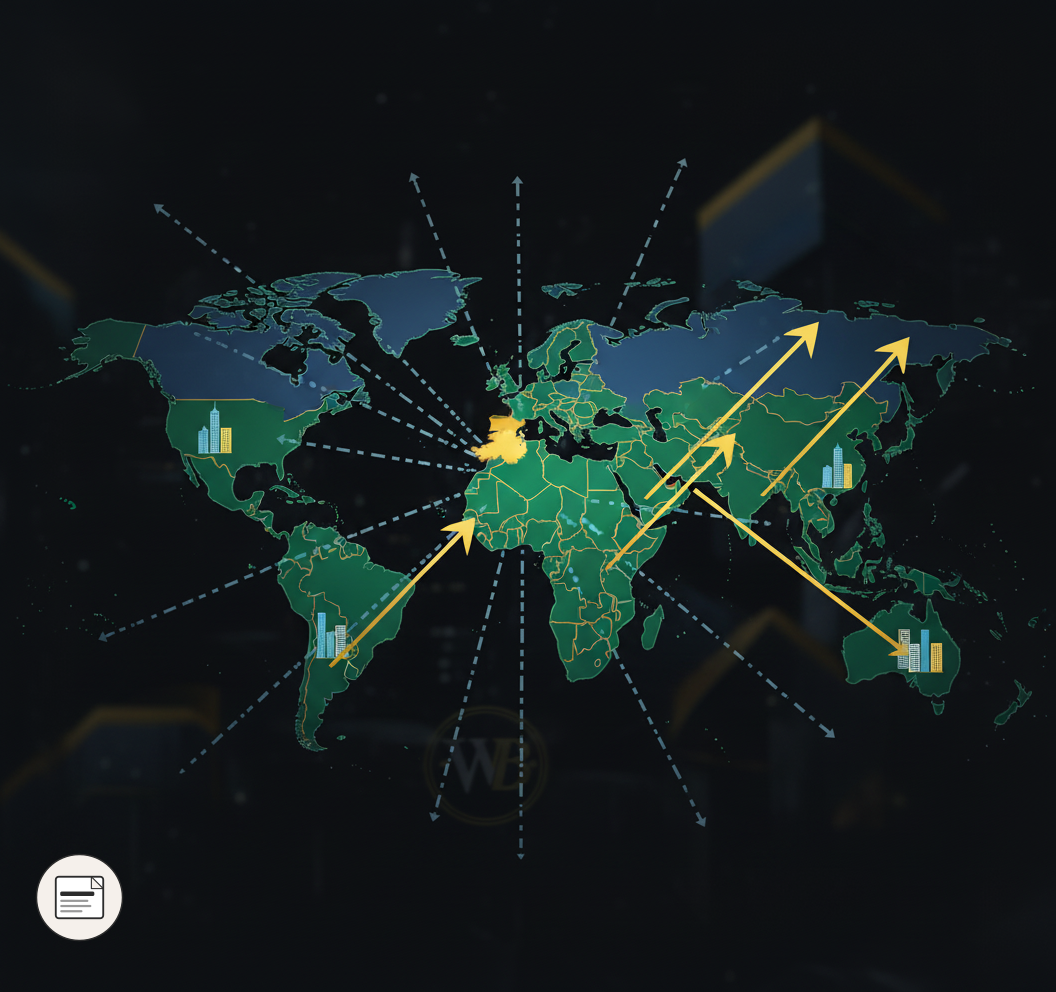
The recent announcement of a substantial 56% cut in UK bilateral aid to Africa, totaling nearly £900 million by 2028-29, might seem geographically distant from your next foreclosure deal in Phoenix or your multifamily acquisition in Atlanta. However, seasoned investors understand that global capital flows and geopolitical shifts, even those originating from seemingly unrelated budgets, create ripple effects that can significantly alter the landscape for real estate investment, particularly in emerging and frontier markets.
While direct investment in African real estate might not be the primary focus for all Wilder Blueprint readers, these aid cuts are a potent indicator of broader economic and political re-prioritizations. A reduction in development funding can impact infrastructure projects, local economies, and, consequently, property values and investment climates in affected regions. For investors with a global outlook or those considering diversification into high-growth, high-risk/reward markets, understanding these macro shifts is paramount.
**The Indirect Impact on Capital and Risk Perception**
When major donor nations reallocate funds, it signals a shift in perceived risk and strategic priorities. Less aid can mean slower economic growth in certain sectors, increased fiscal pressure on local governments, and potentially higher sovereign risk. This, in turn, can influence foreign direct investment (FDI) and institutional capital flows into these regions. For example, a country heavily reliant on aid for social infrastructure might see a slowdown in urban development or a decrease in consumer spending power, directly affecting retail and residential property markets.
"We're seeing a recalibration of global capital, not just a reduction," observes Dr. Anya Sharma, a principal at Global Market Insights. "Investors need to assess whether these aid cuts create distressed asset opportunities due to economic contraction, or if they simply shift the risk profile, demanding higher cap rates for the same asset class. It's about identifying where the market overreacts and where it correctly reprices risk."
For those operating closer to home, these global shifts can still matter. A decrease in stability or economic opportunity in one region can indirectly influence migration patterns, which in turn affects demand for housing and labor markets in more developed economies. Moreover, the reallocation of UK funds towards defense spending signifies a broader global trend of increased geopolitical tension, which can lead to commodity price volatility, impacting construction costs and overall economic stability.
**Identifying Opportunities Amidst Shifting Sands**
While the immediate reaction might be to view this as a negative, savvy investors look for the silver lining. Reduced aid might force governments to seek alternative funding mechanisms, potentially opening doors for private sector investment in infrastructure, housing, or commercial real estate through public-private partnerships (PPPs) or other incentivized structures. These could offer attractive long-term yields for those willing to navigate the complexities.
"Distress isn't always a natural disaster or a recession; sometimes it's a policy shift," states Marcus Thorne, a veteran investor with 30+ years in emerging markets. "The smart money isn't just watching the headlines; it's analyzing the second and third-order effects. A 56% cut isn't just a number; it's a catalyst for change, and change always creates opportunity for those prepared to act."
**Actionable Takeaways for the Astute Investor:**
1. **Monitor Geopolitical Risk:** Understand how global policy decisions, even those not directly related to real estate, can influence capital flows and market stability. 2. **Evaluate Frontier Market Exposure:** If you're invested or considering investing in emerging markets, re-evaluate your risk models to account for potential reductions in external aid and their impact on local economies. 3. **Look for Indirect Opportunities:** Consider how shifts in global economic stability might influence migration, commodity prices, or even the availability of alternative financing mechanisms in your target markets.
The world of real estate investing is interconnected. While the headlines might focus on international aid, the underlying message for investors is clear: stay vigilant, understand the macro picture, and be prepared to adapt your strategies to capitalize on the opportunities that inevitably arise from global economic recalibrations.
Ready to sharpen your analytical edge and navigate complex market dynamics? The Wilder Blueprint offers advanced strategies for identifying and capitalizing on opportunities across various market cycles and global influences. Explore our premium training programs today.