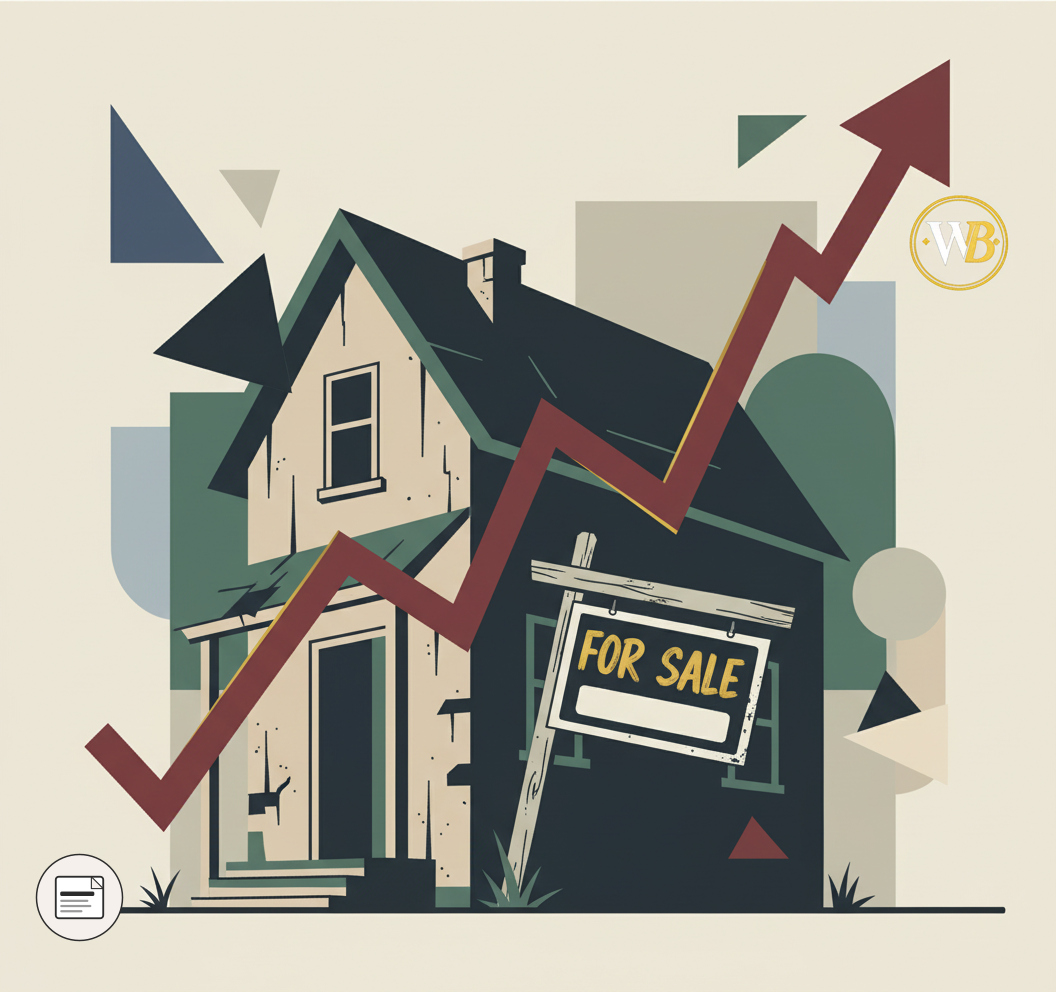
The real estate market is experiencing a significant shift, with foreclosure filings seeing a noticeable uptick across various regions. This trend, driven by a confluence of rising interest rates, persistent inflation, and a cooling job market in some sectors, signals a return to more normalized—and for some, more opportunistic—market conditions after years of historically low defaults.
According to ATTOM Data Solutions, foreclosure filings were up year-over-year in many areas through late 2023 and into early 2024, albeit still below pre-pandemic levels. This increase, however, is enough to warrant close attention from investors specializing in distressed assets. The pipeline of properties moving from pre-foreclosure to auction is expanding, demanding a refined strategy for acquisition and disposition.
**Understanding the Current Foreclosure Landscape**
The current wave of foreclosures is distinct from the 2008 crisis. While that period was marked by subprime lending and widespread mortgage fraud, today's defaults often stem from homeowners who purchased at peak prices with higher interest rates, or those facing unexpected life events compounded by tighter economic conditions. This means the equity positions can vary significantly, impacting the viability of short sales or traditional pre-foreclosure negotiations.
"We're seeing a bifurcation in the market," observes Sarah Jenkins, a veteran real estate analyst at Horizon Capital Group. "Some homeowners still have significant equity, making pre-foreclosure and short sale negotiations viable. Others, particularly those who bought in the last 2-3 years, might be underwater or have minimal equity, pushing them closer to auction or REO status. Identifying that equity position early is paramount."
**Actionable Strategies for Investors**
1. **Deep Dive into Pre-Foreclosure Data:** Focus on properties in the Notice of Default (NOD) stage. This is your prime window to engage with homeowners before the process escalates. Offer solutions that benefit them, such as a quick cash sale to avoid foreclosure, or assistance with a short sale if they're underwater.
2. **Refine Your Due Diligence:** With varying equity levels, a thorough property valuation and lien search are more critical than ever. Understand all encumbrances, including junior liens, HOA dues, and property taxes, which can significantly impact your net profit. An ARV calculation that factors in realistic renovation costs and current market comps is non-negotiable.
3. **Build a Robust Network:** Connect with attorneys specializing in foreclosure, real estate agents who understand distressed sales, and local contractors. Speed and efficiency are key in these transactions. A reliable team can make or break a deal.
4. **Financing Flexibility:** Be prepared with various financing options. Hard money loans can provide the speed needed for auction purchases, while conventional or private funding works well for longer pre-foreclosure negotiations or rehab projects. Your cost of capital directly impacts your deal's profitability.
"The market requires precision now," states Marcus Thorne, a seasoned investor with 300+ distressed deals under his belt. "You can't just throw offers at the wall. You need to understand the homeowner's situation, the property's true value, and your exit strategy before you even make contact. My team aims for a minimum 20% ROI on flips and a 10% cash-on-cash return for rentals, and that requires meticulous analysis upfront."
**Navigating the Ethical Dimension**
While the business of foreclosure investing is about identifying and capitalizing on market inefficiencies, it's crucial to approach these situations with empathy. Homeowners facing foreclosure are often in distress. Offering a fair solution that helps them avoid the devastating impact on their credit and future housing prospects can create a win-win scenario. Transparency and ethical conduct are not just good practice; they build a reputation that can lead to more opportunities.
The current market presents a compelling opportunity for investors who are prepared, analytical, and ethical. By understanding the nuances of rising foreclosure rates and employing disciplined strategies, you can position yourself to acquire valuable assets and generate significant returns.
Ready to sharpen your distressed asset acquisition skills and navigate this evolving market with confidence? The Wilder Blueprint offers comprehensive training and resources designed to equip you with the strategies and tools needed for success in today's real estate investment landscape.