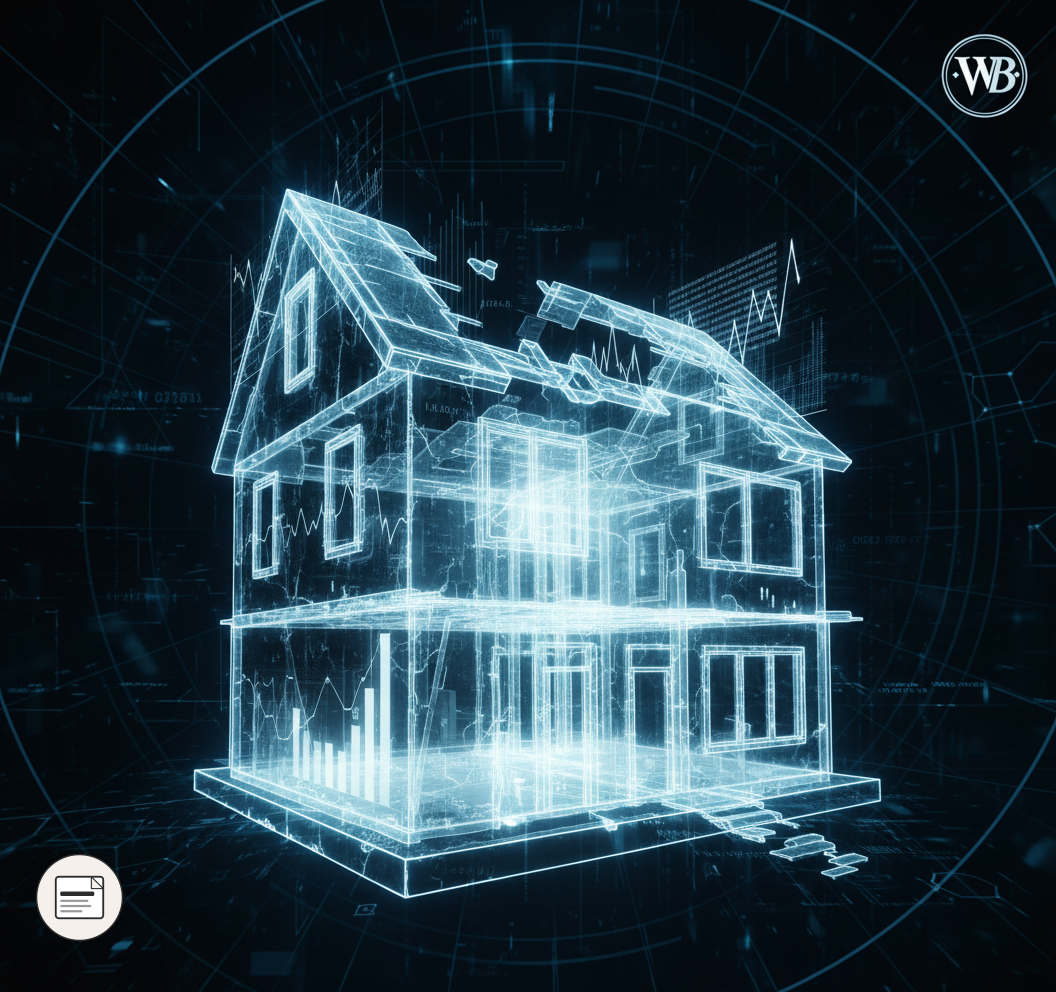
The residential construction sector continues to grapple with a formidable labor deficit, estimated at over 723,000 workers annually. This chronic shortage, coupled with volatile material prices, has significantly extended build cycles and squeezed profit margins for developers and flippers alike. However, a new wave of construction technology, exemplified by companies like FrameTec with their pre-marked framing and wall panels, is emerging as a powerful antidote, demanding a re-evaluation of investment strategies.
Traditionally, on-site framing is a labor-intensive, time-consuming process prone to errors and waste. FrameTec's approach, which involves manufacturing pre-marked, precision-cut framing components and even entire wall panels off-site, drastically streamlines the on-site assembly. This isn't just about marginal gains; we're talking about shaving days, sometimes weeks, off the critical framing stage of a project.
From an investor's perspective, this efficiency translates directly to the bottom line. Reduced build times mean lower carrying costs—less interest paid on construction loans, quicker capital recycling, and faster market entry. Consider a typical new build or extensive rehab project with a 9-month construction loan at 10% interest on $300,000. Cutting just two weeks off the build cycle can save approximately $1,150 in interest alone, not to mention reduced insurance and supervisory costs. Multiply that across multiple projects, and the savings become substantial.
"The market is demanding speed and predictability," says Marcus Thorne, a veteran developer with over 20 years in the infill housing market. "We've seen projects stall due to a lack of skilled framers. Pre-fab solutions mitigate that risk, allowing us to hit our ARV targets faster and with greater certainty. It's a game-changer for our internal rate of return (IRR) calculations."
Beyond speed, these systems inherently reduce material waste. Precision cutting in a controlled factory environment minimizes off-cuts and errors, leading to a more sustainable and cost-effective build. This also contributes to a higher quality, more consistent product, which can translate to better appraisal values and quicker sales.
For property flippers, this technology offers a compelling competitive advantage. In a market where holding costs can erode profits quickly, the ability to turn a property around faster is paramount. Imagine a flip project where the framing, traditionally a 3-week endeavor, is compressed to 5-7 days. That's two weeks of saved interest, insurance, and labor overhead, directly boosting your net profit margin.
"We're seeing a clear trend: investors who embrace these modular and pre-fabricated construction methods are outperforming those relying solely on traditional stick-built approaches," notes Dr. Evelyn Reed, a real estate economist specializing in construction trends. "It's not just about cost savings; it's about de-risking the project timeline, which is invaluable in today's unpredictable market."
While the initial investment in these systems might appear higher on paper, the total cost of ownership, factoring in reduced labor, waste, carrying costs, and faster sales, often presents a superior ROI. Investors should actively seek out builders and contractors who are adopting these forward-thinking methods or explore incorporating them into their own development plans. Understanding and leveraging these technological shifts will be critical for maintaining profitability and scalability in the evolving real estate investment landscape.
Ready to dive deeper into how market innovations impact your investment strategy? The Wilder Blueprint offers advanced training on leveraging market trends and construction efficiencies for maximum ROI. Explore our programs today to stay ahead of the curve.