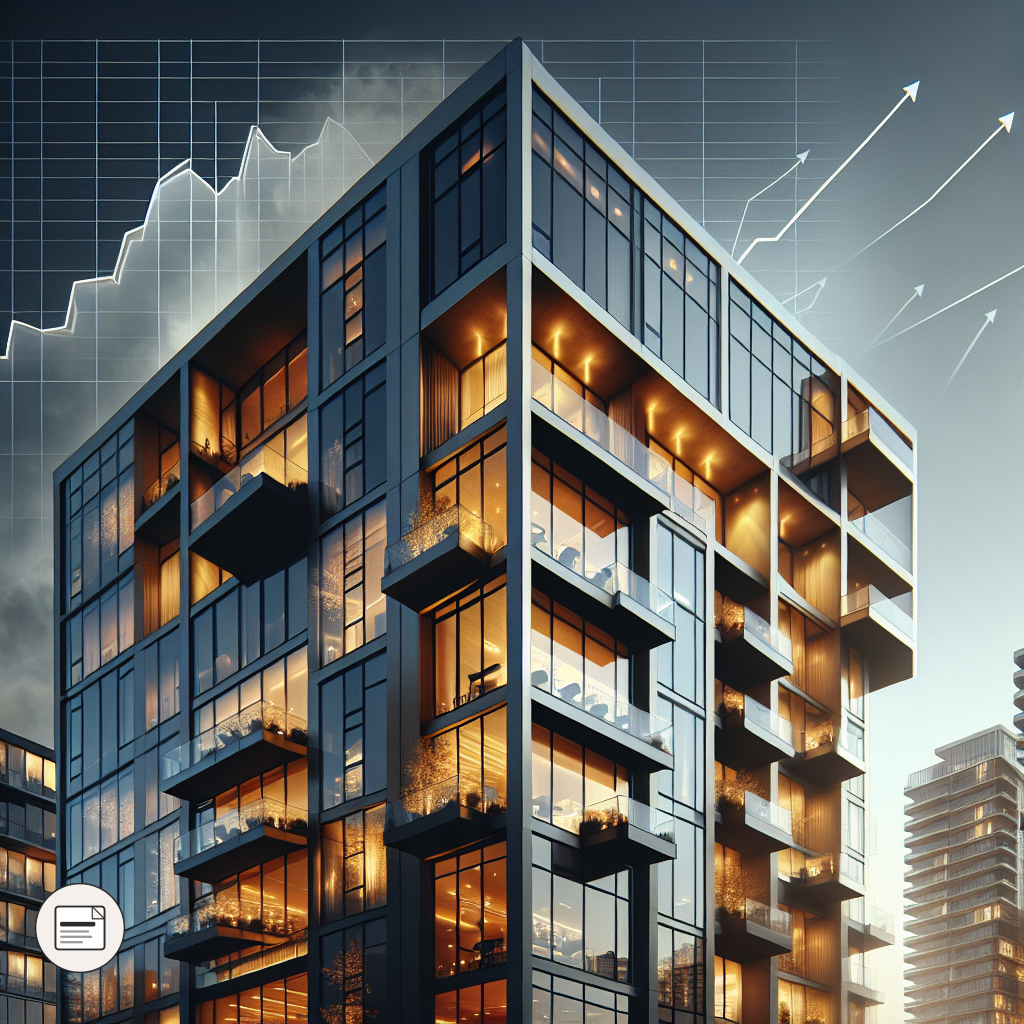
The commercial real estate landscape, particularly in California, is undergoing a seismic shift. With persistent high office vacancies, a direct consequence of remote work trends and economic headwinds, cities are actively incentivizing the transformation of underutilized office buildings into much-needed residential units. For the astute investor, this isn't just a policy trend; it's a burgeoning investment frontier ripe with potential.
California's recent legislative efforts, including Senate Bill 4 (SB 4) and Assembly Bill 2011 (AB 2011), are streamlining the conversion process, effectively reducing bureaucratic hurdles and offering density bonuses. This legislative tailwind creates a fertile ground for investors willing to navigate the complexities of adaptive reuse. From a deal perspective, we're talking about acquiring assets at a significant discount to their pre-pandemic valuations, then leveraging zoning changes to unlock higher and more consistent residential income streams.
"The arbitrage opportunity in office-to-residential conversions is compelling, but it's not for the faint of heart," says Marcus Thorne, a veteran developer with 30 years in urban revitalization. "You're buying a depreciated asset, but the CapEx for conversion can be substantial. Think plumbing stacks, HVAC overhauls, and fire suppression systems – these aren't cosmetic fixes. Your due diligence on structural integrity and existing infrastructure is paramount, and your pro forma needs to account for a 20-30% contingency on construction costs, minimum."
Financing these projects presents unique challenges. Traditional lenders often view adaptive reuse as higher risk. Investors need to explore alternative financing, including Commercial Property Assessed Clean Energy (C-PACE) loans for energy efficiency upgrades, construction-to-permanent loans, and potentially even public-private partnerships or tax increment financing (TIF) districts where available. A typical LTV for a conversion project might start lower, perhaps 60-65% on the acquisition, with subsequent draws tied to construction milestones and a demonstrated ability to lease up.
Consider a hypothetical scenario: an investor acquires a 50,000 sq ft Class B office building in a secondary California market for $120/sq ft, totaling $6 million. Its current vacancy is 60%, with an NOI of just $150,000. Post-conversion, this could yield 60-70 residential units. Assuming an average unit size of 750 sq ft and a conversion cost of $250/sq ft (totaling $12.5 million for construction), the total project cost is $18.5 million. If the market supports an average rent of $2,200/month per unit, and assuming a 92% occupancy and a 5% Cap Rate, the stabilized ARV could easily exceed $25 million, representing a significant uplift.
"The key isn't just the conversion itself, but understanding the target demographic for the new residential units," advises Dr. Elena Rodriguez, a real estate economist specializing in urban housing. "Are you building micro-units for young professionals, or larger units for families? Amenities like co-working spaces, fitness centers, and even pet washes are no longer luxuries; they're expectations that drive rent premiums and reduce vacancy. Your market analysis must be granular."
For investors looking to capitalize on this trend, the actionable takeaway is clear: identify markets with high office vacancy rates and strong housing demand, understand the specific zoning incentives, and build a robust financial model that accounts for the unique complexities of adaptive reuse. This is a long-term play, but one with substantial returns for those who execute it strategically.
Ready to dive deeper into complex real estate strategies? The Wilder Blueprint offers advanced training on deal analysis, financing, and execution for high-potential projects like office-to-residential conversions.