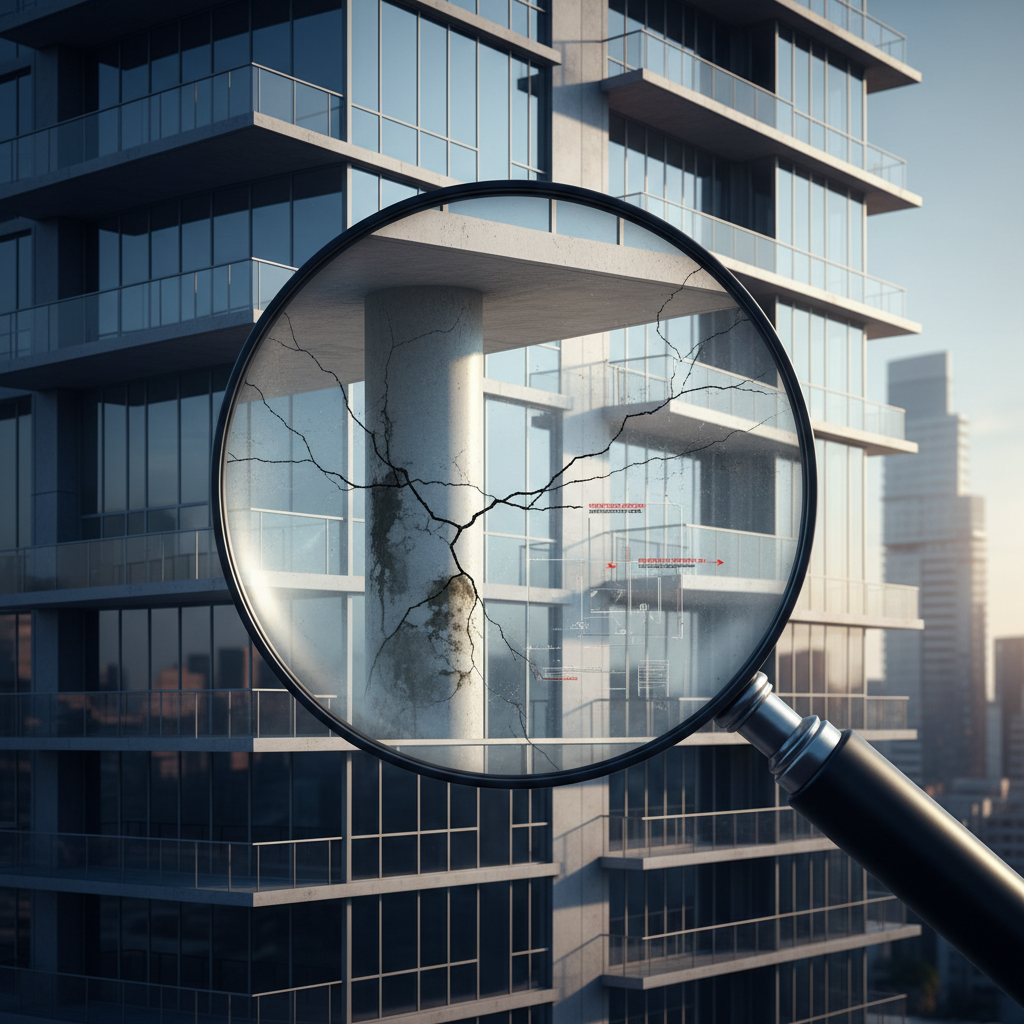
You've crunched the numbers, negotiated a favorable price, and secured financing. The pro forma shows solid cash flow, and the ARV looks promising. But many seasoned investors know that the true test of a rental property's profitability often comes down to one overlooked due diligence item: the granular assessment of its physical condition, particularly the often-hidden systems and structural integrity.
While a standard home inspection covers the basics, a deep dive requires more. We're talking about specialized inspections for HVAC, plumbing, electrical, and roofing, especially on older properties or those acquired through foreclosure. A 15-year-old HVAC unit on its last legs, a failing sewer line, or an aging electrical panel can each represent a $5,000 to $15,000 unexpected capital expenditure within the first year. These aren't minor repairs; they're deal-killers for your projected NOI.
Consider a recent deal in Phoenix: a pre-foreclosure single-family home priced at 70% of ARV. The initial inspection flagged a few minor issues. However, our team insisted on a sewer scope and a separate HVAC technician's report. The sewer scope revealed significant root intrusion requiring a $7,800 repair, and the HVAC unit, while functional, was operating at 30% efficiency with a cracked heat exchanger – a $6,200 replacement looming. These findings allowed us to renegotiate an additional $10,000 off the purchase price, preserving the projected 12% cash-on-cash return.
“Many investors get fixated on acquisition price and rental comps, forgetting that a single major system failure can wipe out a year's worth of cash flow,” notes Anya Sharma, a veteran real estate analyst specializing in distressed assets. “Your due diligence budget for inspections should be viewed as insurance, not an expense.”
This isn't about nitpicking; it's about risk mitigation. For properties acquired via foreclosure auctions, where pre-inspection is often impossible, this due diligence shifts to post-acquisition, demanding immediate, thorough assessment and budgeting for worst-case scenarios. Your ability to accurately forecast and budget for these capital expenditures directly impacts your long-term profitability and avoids the dreaded 'cash flow bleed.'
“I've seen promising deals turn sour because investors underestimated the cost of deferred maintenance on critical systems,” adds Marcus 'Mac' Caldwell, a Wilder Blueprint alumni with 300+ flips and rentals under his belt. “Always assume the worst until proven otherwise, especially in an 'as-is' scenario.”
Mastering this level of due diligence is crucial for sustainable success in real estate investing. Learn how to identify, assess, and mitigate these risks effectively with The Wilder Blueprint's advanced training programs.