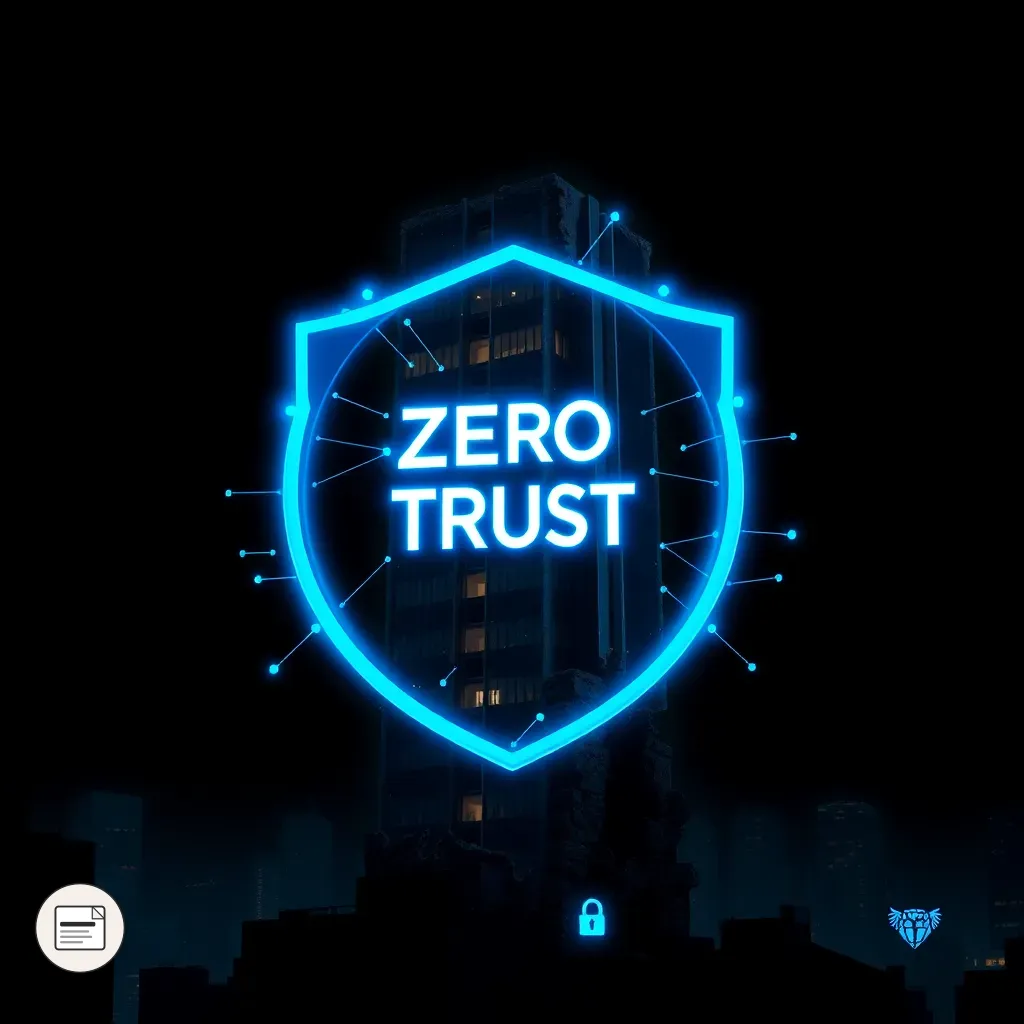
The digital world is constantly evolving, and with it, the threats. We're seeing headlines about AI-driven strategies that help businesses recover from cyberattacks faster and smarter. The core idea is simple: combine 'Zero Trust' principles — never trust, always verify — with proactive protection. This transforms data recovery from a vulnerability into a strategic defense.
Now, you might be thinking, "What does cybersecurity have to do with buying pre-foreclosures?" Everything. This isn't just about protecting your hard drive; it's about a mindset. It's about how you approach your business, your deals, and your information. The market, like the internet, is a place of constant potential threats and opportunities. If you're not operating with a 'never trust, always verify' mentality, you're leaving yourself exposed.
In distressed real estate, your "data" isn't just files on a server. It's your lead list, your deal analysis, your property access codes, your contractor network, and your understanding of local market dynamics. A "breach" isn't just a hacker; it could be a competitor getting wind of your target property, a homeowner feeling exploited because of poor communication, or a deal falling apart due to overlooked due diligence. The consequences are the same: lost time, lost capital, and damaged reputation.
Consider the 'Zero Trust' model for your operations. Instead of assuming everything is safe until proven otherwise, you assume nothing is safe. Every lead, every property, every piece of information needs verification. This means:
1. **Verify Every Lead Source:** Don't just pull a list and assume it's golden. Where did it come from? How fresh is it? Are there any red flags? A "Zero Trust" approach here means cross-referencing public records, checking for multiple liens, and understanding the homeowner's situation beyond a single data point. "We've seen too many investors waste capital chasing outdated or inaccurate leads," says Maria Rodriguez, a long-time distressed asset manager. "Treat every lead as unverified until you've done your own diagnostic work."
2. **Scrutinize Property Data:** Never trust a listing photo or a drive-by. You need to verify the condition, the true value, and the potential repairs. This is where the Charlie 6 framework becomes your internal "AI-driven protection." It's a systematic way to diagnose a deal's viability quickly, forcing you to verify critical data points before you commit significant resources. You're not just looking for a good deal; you're actively looking for reasons *not* to do the deal, verifying every assumption.
3. **Secure Your Communication and Relationships:** Your conversations with homeowners are paramount. A 'Zero Trust' approach here means verifying their understanding, their intentions, and ensuring your communication is always clear, empathetic, and compliant. You're not just pitching; you're building trust through transparency, verifying their needs and offering solutions that truly fit. "The biggest 'breaches' in this business often happen due to miscommunication or unverified assumptions about a homeowner's situation," notes David Chen, a veteran real estate attorney specializing in foreclosures.
4. **Proactive Due Diligence:** Just as AI-driven systems proactively scan for threats, you should proactively scan your deals for risks. What are the local zoning laws? Are there environmental concerns? What's the true cost of capital? Don't wait for a problem to surface; actively seek it out. This isn't about being paranoid; it's about being prepared. It's about turning potential vulnerabilities into strategic advantages by addressing them before they become deal-breakers.
This 'Zero Trust' mindset isn't about being desperate or pushy. It's about discipline. It's about understanding that every piece of your business, from your lead generation to your closing table, is a potential point of failure if not rigorously verified and protected. When you operate this way, you're not just recovering from problems faster; you're preventing them from happening in the first place.
Build a business that's resilient by design, not by accident. See the full system at [The Wilder Blueprint](https://wilderblueprint.com/get-the-blueprint/).