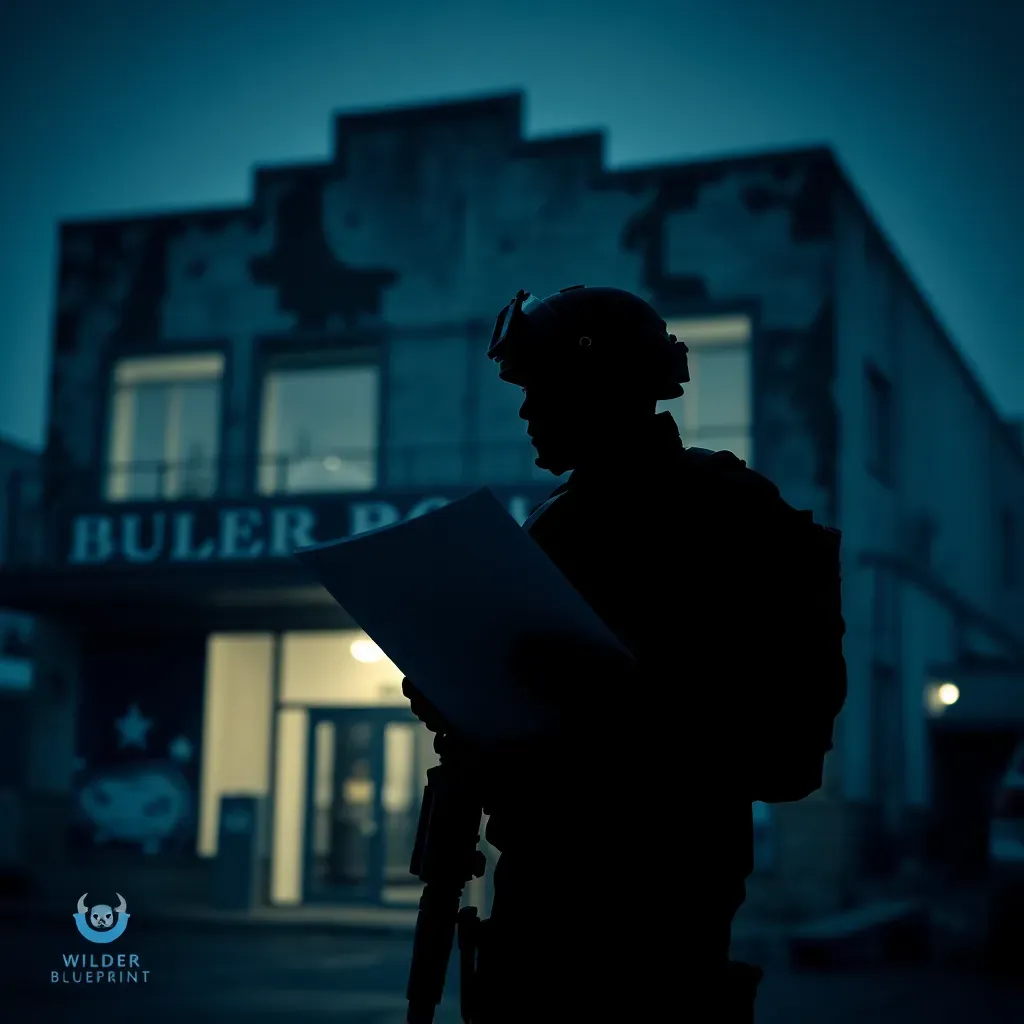
News out of Broward County highlights the intensive training undergone by school guardians – individuals tasked with protecting students in high-stakes situations. This isn't just about learning to react; it's about disciplined preparation, understanding protocols, and executing under pressure. While the stakes in real estate are different, the underlying principle of rigorous training and structured execution is identical for those who succeed.
Too many investors approach distressed real estate like a casual hobby, or worse, like they're just improvising. They hear a term like 'pre-foreclosure' and think it's a quick score. They jump into conversations with homeowners without a clear plan, without understanding the process, and certainly without the kind of disciplined training that prepares you for the unexpected. This isn't just inefficient; it's actively detrimental. You end up sounding desperate, pushy, or like you just discovered YouTube – exactly what we work to avoid.
Think about what that school guardian training entails: understanding the environment, knowing the legal framework, practicing communication under duress, and having a clear resolution path for every scenario. This isn't theoretical knowledge; it's practical application, drilled until it's second nature. The same mindset applies to distressed property investing.
"The market doesn't care about your good intentions," says Sarah Chen, a veteran real estate analyst. "It rewards preparedness. Those who understand the nuances of the foreclosure process, state by state, are the ones who consistently find opportunities, not just luck into them."
For a distressed real estate operator, your training involves mastering the pre-foreclosure timeline in your target market. Do you know the specific Notice of Default (NOD) period? What are the state-specific redemption rights? How long is the typical pre-sale period? These aren't abstract facts; they are your operational environment. Just as a guardian needs to know the layout of their school, you need to know the legal and procedural landscape of your market. This is the foundation of the Charlie 6, our deal qualification system: understanding the critical data points that dictate whether a deal is even worth pursuing, long before you ever step foot on a property.
Furthermore, communication under pressure is paramount. Homeowners facing foreclosure are under immense stress. Approaching them with a rehearsed, empathetic, and solution-oriented conversation isn't just good manners; it's strategic. You're not there to pitch; you're there to offer one of The Five Solutions, to help them navigate a difficult situation. This requires active listening, a clear understanding of their situation, and the ability to present options without adding to their burden. This isn't something you wing; it's practiced until it's natural and effective.
"We've seen countless investors fail because they treat every homeowner interaction like a sales call," notes David Ramirez, a seasoned distressed asset manager. "The successful ones approach it like a consultation, armed with knowledge and genuine empathy, ready to provide a resolution path."
Just as guardians train for multiple scenarios, you, as an operator, must have multiple resolution paths for your deals. Is it a Keep, Exit, or Walk? Do you wholesale, flip, or hold? Each option requires a different set of skills and a different execution strategy. This structured approach, born from disciplined training, allows you to pivot and adapt, ensuring you're not caught flat-footed when circumstances change.
The real estate business, especially in the distressed sector, rewards structure, truth, and execution. It's not about being the loudest or the most aggressive. It's about being the most prepared, the most disciplined, and the most capable of providing genuine solutions. That level of readiness doesn't come from casual observation; it comes from deliberate, focused training, just like any other high-stakes role.
Start with the foundations at The Wilder Blueprint — the entry point for serious distressed property operators.