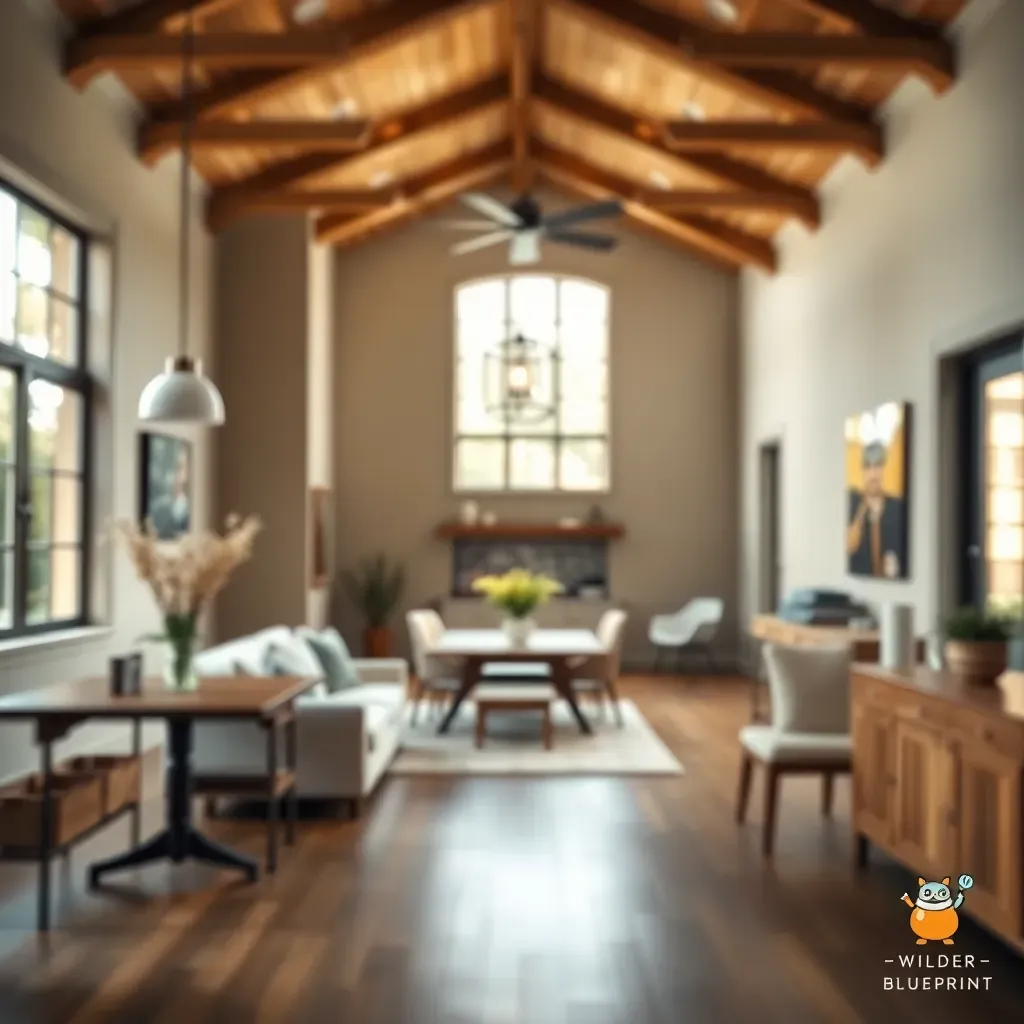
For years, the 'farmhouse chic' aesthetic dominated the rehab market. Shiplap, barn doors, and distressed wood were the go-to choices for many investors looking to appeal to a broad buyer base. It was a safe bet, a known quantity. But relying on yesterday's trends is a surefire way to leave money on the table, or worse, get stuck with a property that sits.
What buyers are looking for today is shifting. The market is moving towards what’s being called 'organic modernism' or 'new farmhouse' – a blend of warm whites, natural textures, and contemporary lines. Think less rustic, more refined. Less kitsch, more timeless. This isn't just about aesthetics; it's about understanding the psychology of today's buyer and how they perceive value in a home. If you're still planning your rehabs with a Pinterest board from 2018, you're missing the mark.
As distressed property investors, our job isn't to follow trends blindly, but to understand their implications for our bottom line. Every dollar spent on a rehab needs to be a strategic investment that maximizes your After Repair Value (ARV) and minimizes your Days on Market (DOM). The 'new farmhouse' trend, at its core, is about creating spaces that feel both fresh and enduring, comfortable and sophisticated. It’s about quality over novelty, and a focus on natural light and materials that resonate with a sense of calm and authenticity.
This means a strategic shift in your material selections and design choices. Instead of heavy, dark woods, consider lighter, natural oak tones. Replace busy patterns with understated textures. Opt for clean-lined cabinetry and modern fixtures that still feel warm, rather than industrial. "Buyers are increasingly discerning," notes Sarah Jenkins, a seasoned real estate analyst specializing in market psychology. "They want spaces that feel curated, not just decorated. The 'new farmhouse' is less about a theme and more about a feeling – a sense of understated luxury and connection to natural elements."
For a distressed property, this approach can be particularly impactful. Often, these homes come with outdated or neglected interiors. A thoughtful, modern organic rehab can transform a tired property into a highly desirable asset without overspending on fads. It’s about making smart choices that elevate the space. For example, instead of a full kitchen overhaul with expensive custom cabinets, you might opt for repainting existing cabinets in a warm white, adding new, minimalist hardware, and upgrading countertops to a light quartz or a durable, natural-looking laminate. Focus on bringing in natural light wherever possible, and choose paint colors that create a serene, expansive feel.
Consider the Charlie 6 framework for deal qualification. When you're assessing a property, the rehab budget is a critical component. If your budget is still allocated to elements that no longer appeal to the majority of buyers, your ARV projections will be off, and your holding costs will climb. Understanding current design preferences allows you to allocate your rehab dollars more effectively, ensuring every dollar spent contributes to a higher sale price and a quicker exit. It’s about creating broad appeal, not niche appeal.
"The goal isn't to be trendy for the sake of it," says Mark Harrison, a veteran flipper with a portfolio spanning multiple states. "It's about understanding what makes a house feel like home to today's buyer. The 'new farmhouse' emphasizes natural light, clean lines, and a sense of calm – elements that have timeless appeal, even if the specific execution evolves."
This focus on timeless appeal, combined with a contemporary touch, aligns perfectly with the core principles of smart distressed investing. You're not just fixing a house; you're crafting an experience for the future homeowner. By understanding and adapting to these shifts in buyer preference, you ensure your properties stand out in a competitive market, sell faster, and yield stronger returns.
Start with the foundations at [The Wilder Blueprint](https://wilderblueprint.com/foundations-registration/) — the entry point for serious distressed property operators.