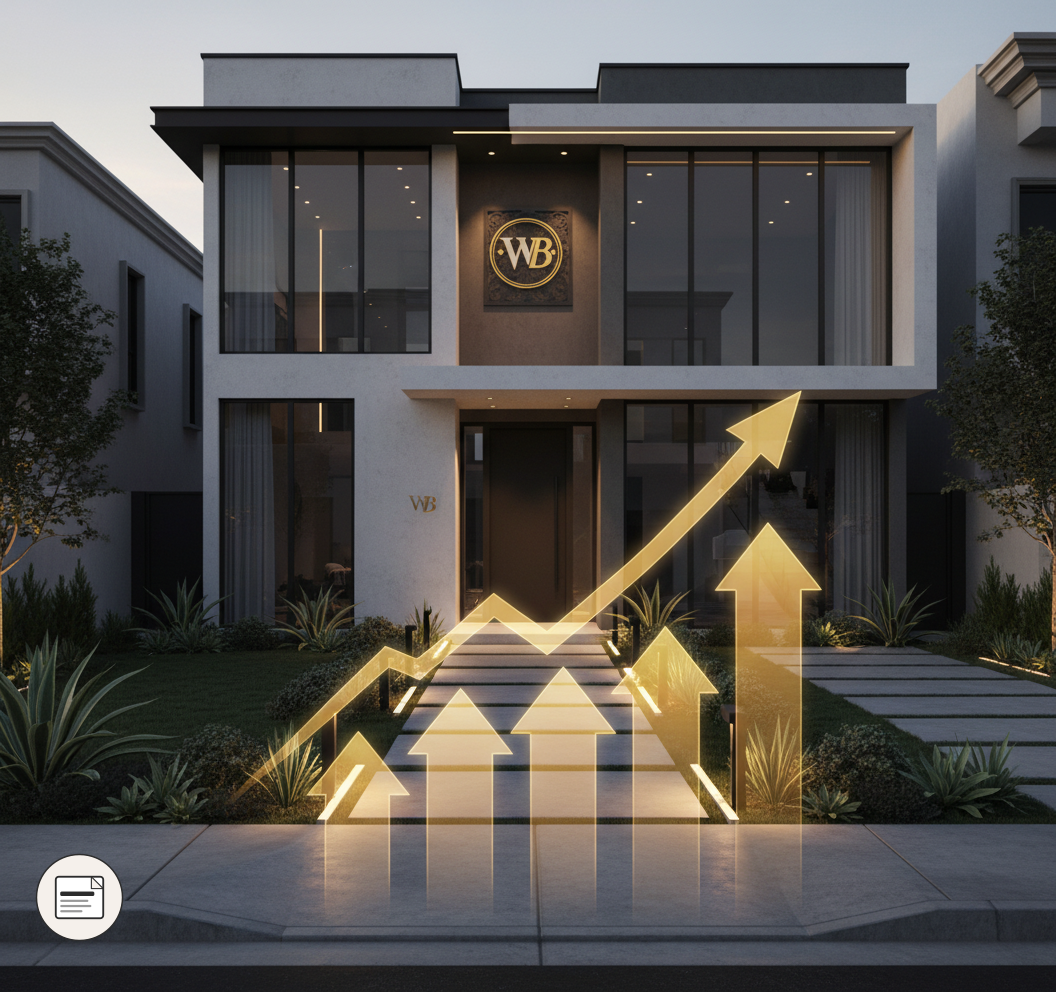
In the world of real estate investing, particularly when dealing with distressed assets like foreclosures, every dollar invested must generate a measurable return. While many focus on interior renovations, the power of strategic curb appeal is often underestimated. It’s not merely about making a property look nice; it’s about engineering a first impression that directly impacts perceived value, buyer psychology, and ultimately, your bottom line.
I’ve seen firsthand, across 400+ deals, how a well-executed exterior strategy can shave weeks off market time and add 5-10% to the final sale price. This isn't about expensive landscaping; it's about smart, targeted interventions.
**The Psychological Edge: Why First Impressions Matter Most**
When a buyer pulls up to a property, especially a flipped foreclosure, their decision-making process begins instantly. A neglected exterior signals potential deeper problems, triggering skepticism and lowball offers. Conversely, a clean, well-maintained exterior suggests a well-cared-for home, implying quality and reducing perceived risk. This psychological priming is invaluable.
“We often say the first 30 seconds are the most important,” notes Sarah Jenkins, a seasoned real estate analyst with Horizon Capital Group. “If a buyer is already mentally discounting the property before they even step inside, you’re fighting an uphill battle on price negotiations. Curb appeal sets the stage for a premium offer.”
For foreclosure investors, this is doubly critical. These properties often start with a negative perception. Overcoming that initial hurdle with a strong exterior presentation is paramount.
**Actionable Strategies for Maximizing ROI on Curb Appeal**
1. **Prioritize High-Impact, Low-Cost Improvements:** Focus on elements that offer the best bang for your buck. A fresh coat of paint on the front door, updated exterior lighting, power washing the siding and driveway, and basic landscaping (trimming overgrown bushes, fresh mulch, a few potted plants) can dramatically alter perception for a few hundred to a couple thousand dollars.
2. **Roof and Gutter Integrity:** While not strictly 'curb appeal' in the aesthetic sense, a clean, intact roof and functional gutters are fundamental. A leaky or visibly damaged roof is a major red flag that will deter buyers and trigger costly inspection issues. Repairing or cleaning these elements before listing is non-negotiable.
3. **Address Driveway and Walkway Condition:** Cracks, weeds, and uneven surfaces are immediate detractors. Patching asphalt, pressure washing concrete, and edging pathways create a sense of order and care.
4. **Strategic Landscaping:** You don't need a horticultural masterpiece. Focus on symmetry, simplicity, and low maintenance. Remove dead plants, plant hardy, attractive shrubs, and ensure the lawn is neatly mowed and edged. In colder climates, consider dormant-season appeal with evergreens.
5. **Lighting and Hardware:** Upgraded exterior light fixtures, a new mailbox, and modern house numbers can provide a significant aesthetic lift. These small details convey attention to quality.
“I’ve seen a $1,500 investment in exterior paint and landscaping translate to a $15,000 bump in ARV on a $250,000 flip,” states Mark Peterson, a veteran investor specializing in probate and foreclosure acquisitions. “It’s not just about what you spend; it’s about where you spend it for maximum visual impact.”
**The Bottom Line for Investors**
Curb appeal is not an optional extra; it's an integral part of your exit strategy. For foreclosure flippers, it’s a powerful tool to differentiate your property, command higher prices, and reduce carrying costs by accelerating the sale. By strategically investing in the exterior, you're not just improving a house; you're engineering a more profitable and efficient deal.
Ready to dive deeper into optimizing every aspect of your real estate investments, from acquisition to disposition? The Wilder Blueprint offers advanced training and frameworks to help you master these critical strategies and more.