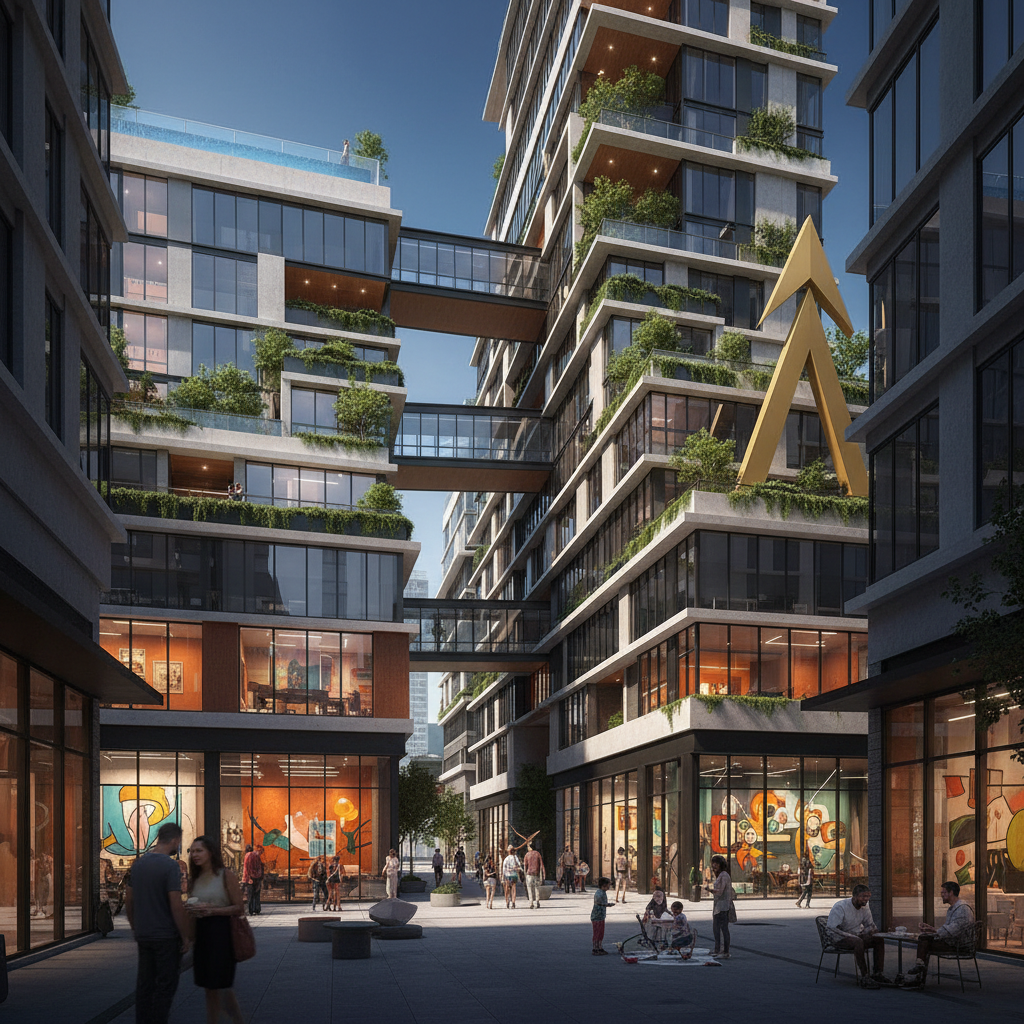
The real estate landscape is constantly evolving, and savvy investors know that adaptability is key to sustained profitability. While traditional flips and rentals remain staples, the current market increasingly rewards innovative approaches. A recent project in Miami's Wynwood district, transforming a former restaurant into a mixed-use property with both commercial space and low-income housing, offers a compelling case study for investors looking beyond conventional strategies.
This isn't just about altruism; it's smart business. Integrating affordable housing, especially in high-demand areas like Wynwood, can unlock significant incentives and long-term stability. Government programs, tax abatements, and density bonuses often accompany such developments, reducing initial capital outlay and enhancing project feasibility. For instance, Opportunity Zone investments or specific affordable housing tax credits (LIHTC) can dramatically alter the financial pro forma, leading to superior risk-adjusted returns.
“The days of single-purpose buildings are fading in many urban cores,” notes Sarah Chen, a veteran developer with 25 years in mixed-use projects. “When you can combine a stable commercial tenant with a guaranteed income stream from affordable housing, you’re creating a resilient asset class. It diversifies your income and often comes with a more predictable tenant base due to housing assistance programs.”
From an investment perspective, this strategy mitigates risk. A diversified income stream means less vulnerability to a single market downturn. Commercial leases provide consistent cash flow, while affordable housing units often benefit from long-term demand and government subsidies, ensuring high occupancy rates. This can lead to a more attractive cap rate profile compared to purely market-rate residential or commercial ventures.
For investors considering this path, due diligence is paramount. Understand local zoning ordinances, available incentives, and the specific needs of the community. Feasibility studies must account for the complexities of managing different tenant types and navigating regulatory frameworks. However, the potential for strong, sustainable returns, coupled with a positive community impact, makes mixed-use developments with an affordable housing component an increasingly attractive option.
“We’re seeing more municipalities actively seeking these types of projects,” adds David Miller, a real estate analyst specializing in urban revitalization. “They’re not just looking for development; they’re looking for solutions to housing crises, and investors who can deliver that are finding open doors and expedited processes.”
Exploring these nuanced market opportunities requires a deep understanding of deal structuring and local policy. The Wilder Blueprint provides comprehensive training on identifying and executing complex real estate strategies, including mixed-use developments and navigating incentive programs, to help you capitalize on the evolving market dynamics.