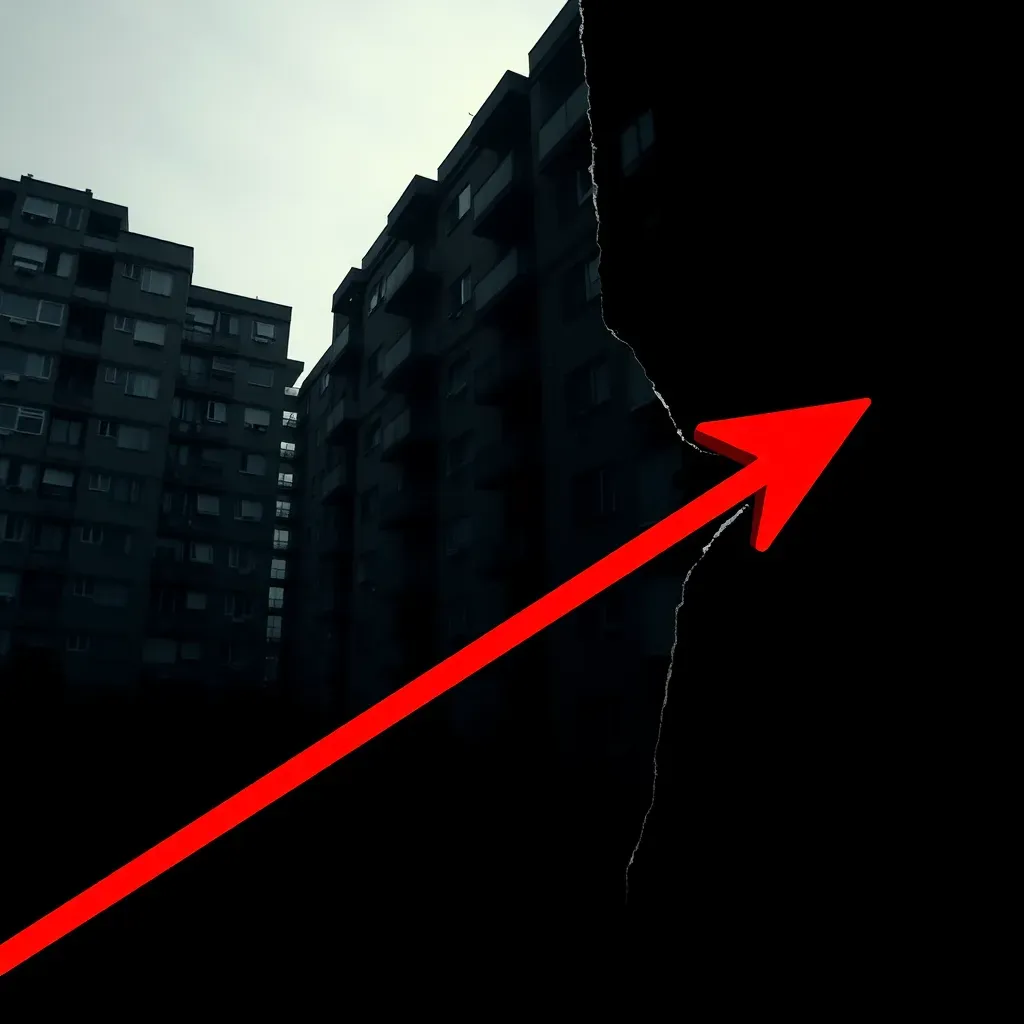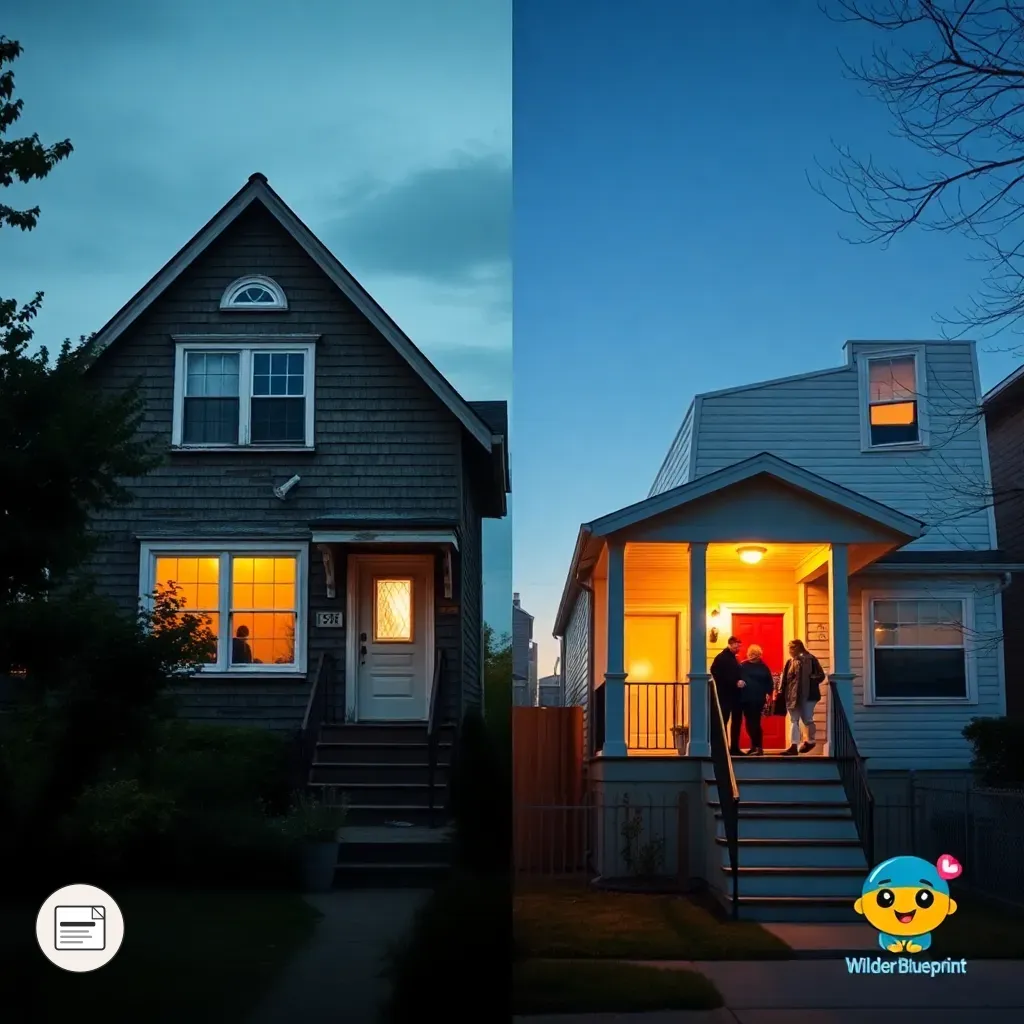
The headlines often highlight the consequences of poorly managed bank-owned properties, particularly in Black and Latino communities. These REOs — real estate owned by banks after foreclosure — frequently sit vacant, neglected, and become magnets for blight. This isn't just an aesthetic issue; it devalues surrounding homes, strains community resources, and erodes the financial stability of residents who have stayed and worked hard to build equity.
But for the disciplined operator, every systemic problem is a potential project. While others see only decay and despair, a clear-eyed investor recognizes an asset waiting for intelligent intervention. This business is not about chasing distress; it’s about providing resolution. When banks fail to manage these properties effectively, they create a void that a responsible operator can fill, turning liabilities into opportunities for revitalization and profit.
Banks are not in the business of property management or community development. Their primary objective is to clear non-performing assets from their balance sheets as efficiently as possible. This often means minimal investment in maintenance, deferred repairs, and a preference for bulk sales or quick dispositions that don't always consider the long-term impact on the neighborhood. This approach, while financially rational for a bank, creates the very conditions described in those headlines.
“The sheer volume of distressed assets during peak foreclosure cycles often overwhelms institutional asset managers,” notes Maria Rodriguez, a veteran REO broker in Atlanta. “They're managing hundreds, sometimes thousands, of properties nationally, not inspecting specific roofs in a specific block. That's where the local operator has an undeniable advantage.”
This is where your role as a strategic operator becomes critical. You aren't just buying a house; you're buying a piece of the community's future. The opportunity lies in acquiring these bank-owned assets, often at a discount, precisely because of their neglected state. But the transaction isn't enough. The real work — and the real value — comes from executing a clear resolution path. This means a systematic approach to assessing, acquiring, and then transforming these properties.
First, you must have your acquisition criteria locked down. The Charlie 6, for instance, allows you to qualify a deal quickly, even with a distressed REO. You need to understand the true cost of repairs, the *actual* market value for a renovated home in that specific micro-market, and your projected exit strategy. Are you keeping it as a rental? Are you flipping it for retail? Are you wholesaling it to another investor? Our Three Buckets framework — Keep, Exit, Walk — applies here directly. With REOs, the decision to 'Walk' might mean passing on a seemingly cheap property that has too many hidden issues or is in a location where even a full renovation won't yield the desired returns.
Once acquired, the focus shifts to strategic rehabilitation. This isn't about arbitrary upgrades; it's about thoughtful, value-add improvements that are appropriate for the neighborhood. It's about restoring functionality, safety, and curb appeal, not over-improving in a way that prices out local residents or creates an outlier property. An operator focused on true value understands that a well-executed renovation in an underserved community doesn't just benefit their bottom line; it lifts the value of neighboring homes and contributes to overall community stability.
“Many investors look only at the immediate ARV,” says David Chen, a long-time real estate analyst focusing on urban redevelopment. “But the smart money also calculates the ‘community value-add’ — what impact will this renovation have on the perception and stability of the street? That intangible often translates to better long-term returns and easier dispositions.” This approach, grounded in discipline and a commitment to resolution, is what separates a true operator from someone just chasing cheap houses.
The task is clear: identify the neglected assets, apply rigorous qualification, and execute a value-driven resolution. This business rewards structure, truth, and execution – especially when navigating the complex landscape of bank-owned properties.
Start with the foundations at [The Wilder Blueprint](https://wilderblueprint.com/foundations-registration/) — the entry point for serious distressed property operators.