The noise around automation in real estate investing is getting louder. Everywhere you look, there's a new tool promising to put your lead follow-up on autopilot, to make it 'ridiculously easy' to close deals. And there's truth to the promise: well-applied technology can absolutely streamline parts of your business.
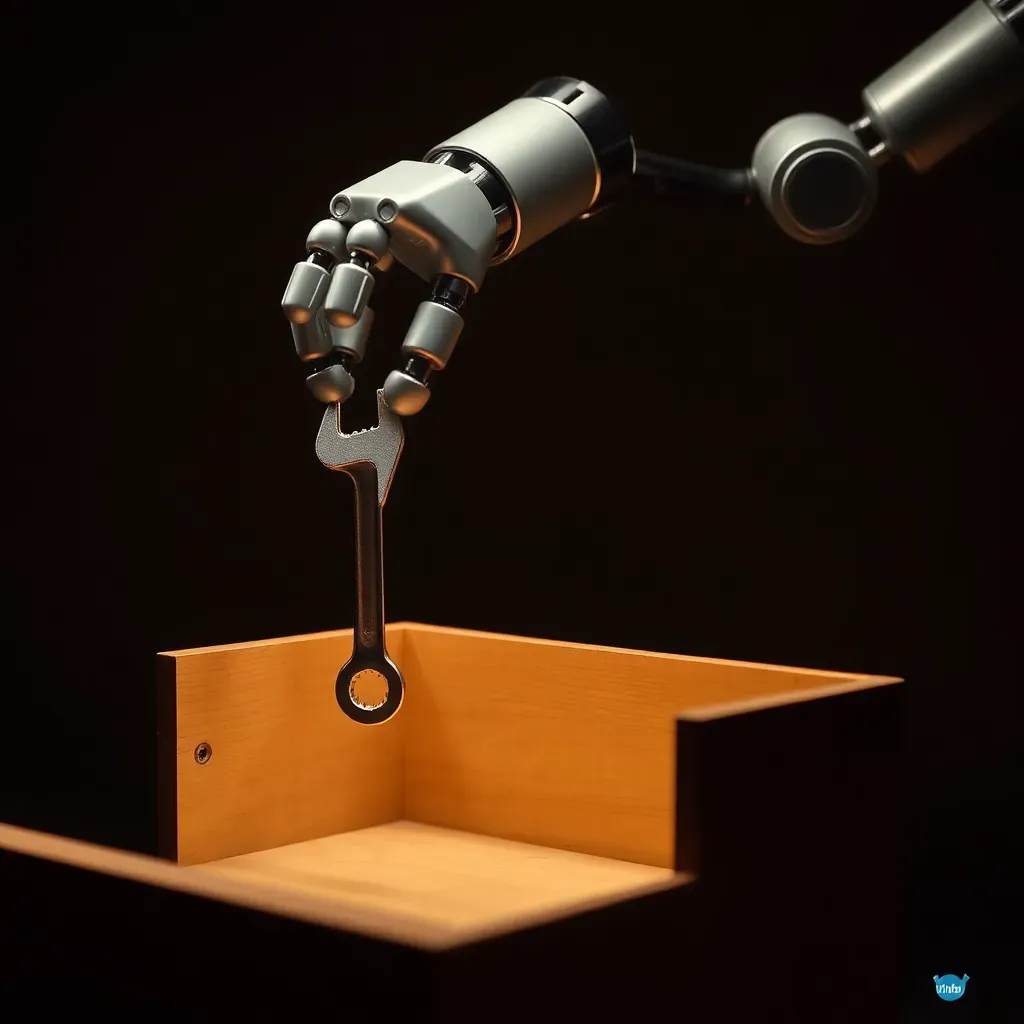
But let's fix the frame first. Automation is a tool. A sharp, efficient tool, yes, but still just a tool. It's not a substitute for understanding the distressed homeowner's situation, nor is it a replacement for the disciplined, empathetic approach that defines a successful pre-foreclosure operator. The goal isn't to remove yourself from the process entirely; it's to remove the repetitive, low-value tasks so you can focus on where you add the most value: solving problems for people in difficult situations.
For a pre-foreclosure operator, your lead pipeline is your lifeblood. These aren't just names on a spreadsheet; they're homeowners facing a deadline, often overwhelmed and unsure of their options. This isn't a transactional email chain for selling widgets. This is about building trust, quickly and effectively, to offer a viable solution.
Where automation shines is in the initial, consistent, and structured follow-up. Think of it as your digital assistant, ensuring no lead falls through the cracks. After that initial contact – whether it's a letter, a cold call, or a door knock – the homeowner might not be ready to talk. They might need time, or they might need a gentle reminder that you're still an option. This is where an automated email or SMS sequence can be incredibly powerful, provided it's designed with empathy and value in mind.
Consider this: a homeowner receives a Notice of Default. They're likely getting mail from dozens of investors. Your initial message needs to cut through that. But what happens if they don't respond immediately? An automated sequence can send a follow-up email a few days later, perhaps offering a link to a resource about foreclosure timelines in their state, or a simple, non-pushy reminder of the solutions you offer. This isn't about selling; it's about providing information and maintaining presence.
“The real power of automation in this space isn't in replacing human interaction, but in amplifying it,” says Sarah Chen, a long-time distressed asset analyst. “It ensures your message is consistent, timely, and positions you as a helpful resource, not just another buyer.”
However, there's a critical line. Once a lead shows interest, once they respond to an automated message, the automation needs to step back, and you need to step in. This is where your human skills – listening, diagnosing, empathizing, and presenting tailored solutions – become paramount. An automated system can't truly understand the nuances of a homeowner's financial distress, family situation, or emotional state. It can't adapt to their specific needs in real-time. That's your job.
“You can automate the initial touchpoints, but the moment a homeowner engages, you need to be ready to transition to a personal, problem-solving conversation,” advises Mark Jensen, a veteran real estate investor with a focus on pre-foreclosures. “Your Charlie 6 diagnostic skills are far more valuable than any automated chatbot at that stage.”
Think about what you *can* automate: initial outreach emails, drip campaigns providing educational content about foreclosure, reminders for appointments, or even simple check-ins. What you *cannot* automate is the deep dive into their specific situation, the negotiation, the nuanced presentation of The Five Solutions, or the empathetic guidance through a difficult process. Those are the high-leverage activities that define a true operator.
So, embrace the tools. Use them to manage your time, to ensure consistency, and to keep your pipeline warm. But never forget that the core of this business is solving real problems for real people. Automation is the sharp tool in your hand, not the hand itself.
See the full system at [The Wilder Blueprint](https://wilderblueprint.com/get-the-blueprint/).