The digital revolution continues to accelerate, and with it, the demand for robust infrastructure. While the initial wave of AI training built massive data center campuses, the emerging era of AI inference – the practical application of AI models – is poised to dictate where the next generation of real estate investment opportunities will materialize. For savvy investors focused on foreclosures, pre-foreclosures, and strategic acquisitions, understanding this shift is paramount.
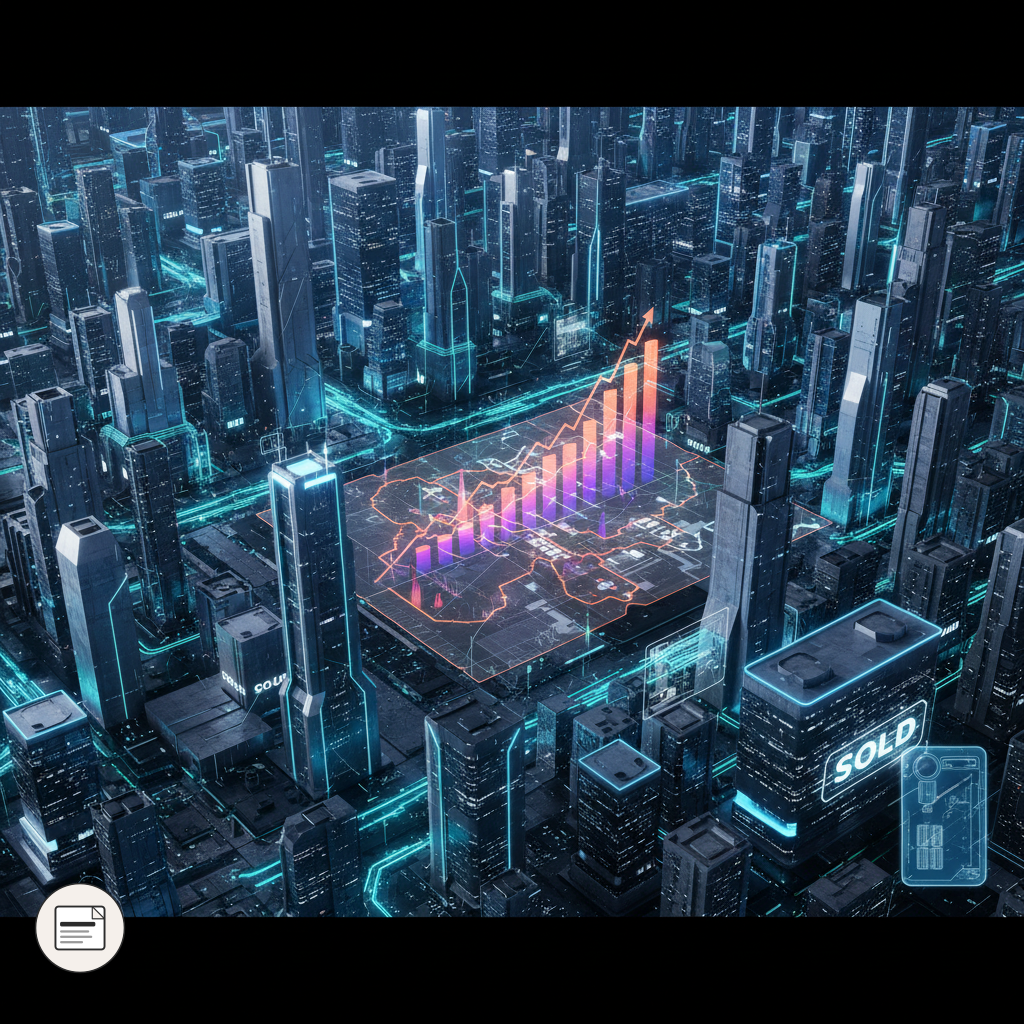
AI inference requires data centers to be closer to end-users, reducing latency and enabling real-time applications. This isn't just about massive, remote server farms anymore; it's about distributed networks and edge computing. What does this mean for real estate? It translates into a burgeoning demand for industrial and commercial properties in specific, often overlooked, suburban and exurban corridors, as well as redevelopment potential in urban fringes.
"We're seeing a fundamental re-evaluation of site selection criteria," explains Marcus Thorne, a veteran industrial real estate analyst with Thorne & Associates. "Access to abundant, reliable power and robust fiber optic networks are non-negotiable. But now, proximity to population centers and even specific enterprise clusters is becoming a key differentiator. This isn't just about new construction; it's about repurposing existing structures or acquiring underutilized land in strategic locations."
For investors, this trend opens several avenues. Consider properties in areas with existing, but perhaps aging, industrial parks that boast strong utility infrastructure. A distressed warehouse or an underperforming commercial building in such a zone, acquired through a pre-foreclosure or foreclosure sale, could be ripe for conversion or redevelopment into a smaller, specialized data center or edge computing facility. The ARV on such a project, driven by long-term lease potential with tech firms, could be substantial.
Another angle is the ripple effect on local economies. Data centers, while not massive employers, bring high-paying tech jobs and significant tax revenue. This can stabilize and even boost local housing markets, creating opportunities for rental property investors or flippers in adjacent residential areas. "We've tracked a 12-15% increase in median home values within a 5-mile radius of new data center developments in certain secondary markets over the past three years," notes Sarah Chen, a multi-family investor who has completed over 50 deals. "The demand for quality housing for the engineers and support staff is a predictable outcome."
Financing these deals requires understanding the specific risks and rewards. Lenders are increasingly familiar with data center asset classes, but due diligence on power capacity, cooling infrastructure, and fiber connectivity is critical. A pre-foreclosure acquisition of a property with existing, albeit dated, infrastructure could offer a significant discount, allowing for capital improvements that meet modern data center specifications.
The key takeaway is to look beyond the obvious. While major tech hubs will continue to attract investment, the distributed nature of AI inference means that secondary and even tertiary markets with the right foundational infrastructure are becoming prime targets. Investors who can identify these emerging hot zones, leverage distressed asset acquisition strategies, and understand the specific needs of data center operators will be positioned for significant returns.
Understanding these market shifts and how to capitalize on them requires a proven framework. The Wilder Blueprint offers comprehensive training on identifying, acquiring, and profiting from opportunities in evolving real estate landscapes, including those driven by technological advancements.