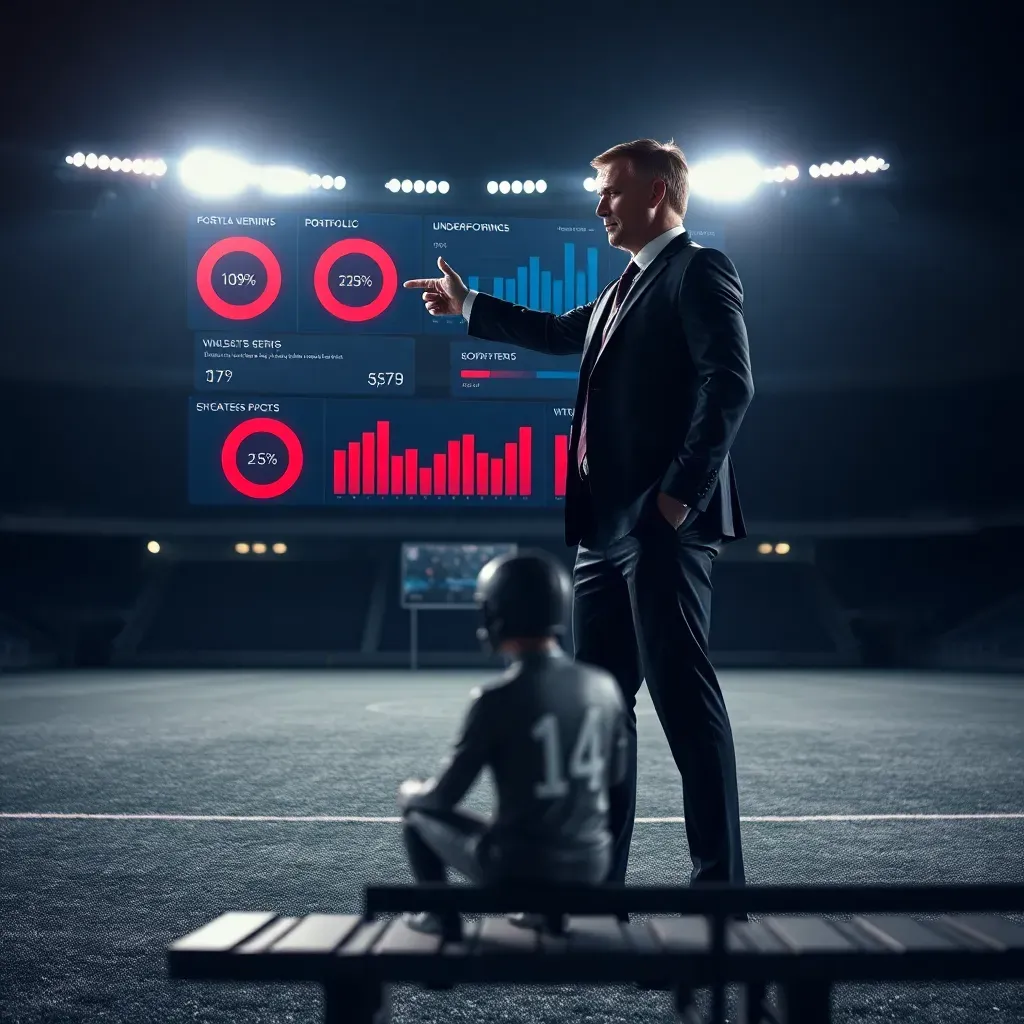
The real estate industry is buzzing with talk of AI, and rightly so. Reports from outlets like Inman highlight how real estate professionals are exploring its capabilities, from automating marketing tasks to analyzing market data. There's a clear promise of efficiency and speed, and many are eager to leverage these new tools.
But here’s the reality for operators in the distressed property space: AI cannot read the room in the way that matters most. It can't understand the emotional weight of a pre-foreclosure, nor can it build the trust required to help a homeowner navigate one of the toughest situations of their life. While AI can certainly enhance certain aspects of our business, it will never replace the fundamental human skills that close deals and build a sustainable operation in this arena.
**The Limits of Algorithms in Human Distress**
Think about the core of a pre-foreclosure deal. You're not just buying a house; you're offering a solution to a problem. This isn't a transaction driven by comps and square footage alone. It's driven by a homeowner's need for a way out, often burdened by debt, fear, and uncertainty. An algorithm can identify a property in pre-foreclosure, but it can't pick up on the subtle cues in a conversation, the hesitation in a voice, or the unspoken anxieties that dictate how a homeowner will respond to your offer.
"Data is powerful, but it's only one piece of the puzzle," notes Sarah Jenkins, a long-time distressed asset analyst. "You can model a thousand scenarios, but the human element, the 'why' behind the numbers, that's where the real opportunity and risk lie."
This is where the operator's discipline comes in. We teach a structured approach to engagement because it’s the only way to consistently build rapport and trust. It’s about listening more than talking, understanding the homeowner's situation before presenting solutions. This isn't something you can outsource to a chatbot. Your ability to show up as a calm, competent problem-solver – not a desperate buyer – is your most valuable asset.
**Where AI Fits: Augmentation, Not Replacement**
So, does AI have a place? Absolutely. It's a powerful tool for augmentation. Imagine using AI to quickly sift through public records, identify patterns in foreclosure filings, or even draft initial outreach emails based on templates. This frees up your time to focus on the high-value activities that AI cannot replicate: direct homeowner communication, property visits, and complex negotiation.
For example, an AI could help you analyze market trends to better understand potential ARVs, or streamline your lead generation by identifying properties that fit your Charlie 6 criteria. It can handle the repetitive, data-heavy tasks, allowing you to dedicate your mental energy to the nuanced conversations and strategic decisions that define a successful pre-foreclosure acquisition.
"I see AI as a force multiplier for the smart investor," says Mark Ramirez, a veteran real estate investor. "It doesn't make bad operators good, but it makes good operators more efficient. It gives you more time to be present where it counts: with the seller."
This isn't about replacing your intuition or your ability to connect. It's about leveraging technology to clear the path so you can apply those uniquely human skills more effectively. The goal is to be more disciplined, more clear, and more dangerous in the right way – by being the most prepared and empathetic solution provider in the room.
**The Unwavering Human Advantage**
The bottom line is this: distressed real estate is a relationship business, built on trust and problem-solving. AI can help you find the problem, but only a skilled operator can truly solve it for the homeowner in a way that benefits everyone involved. The ability to listen, empathize, and structure a win-win solution is an art, not an algorithm. That's your competitive edge.
Start with the foundations at [The Wilder Blueprint](https://wilderblueprint.com/foundations-registration/) — the entry point for serious distressed property operators.