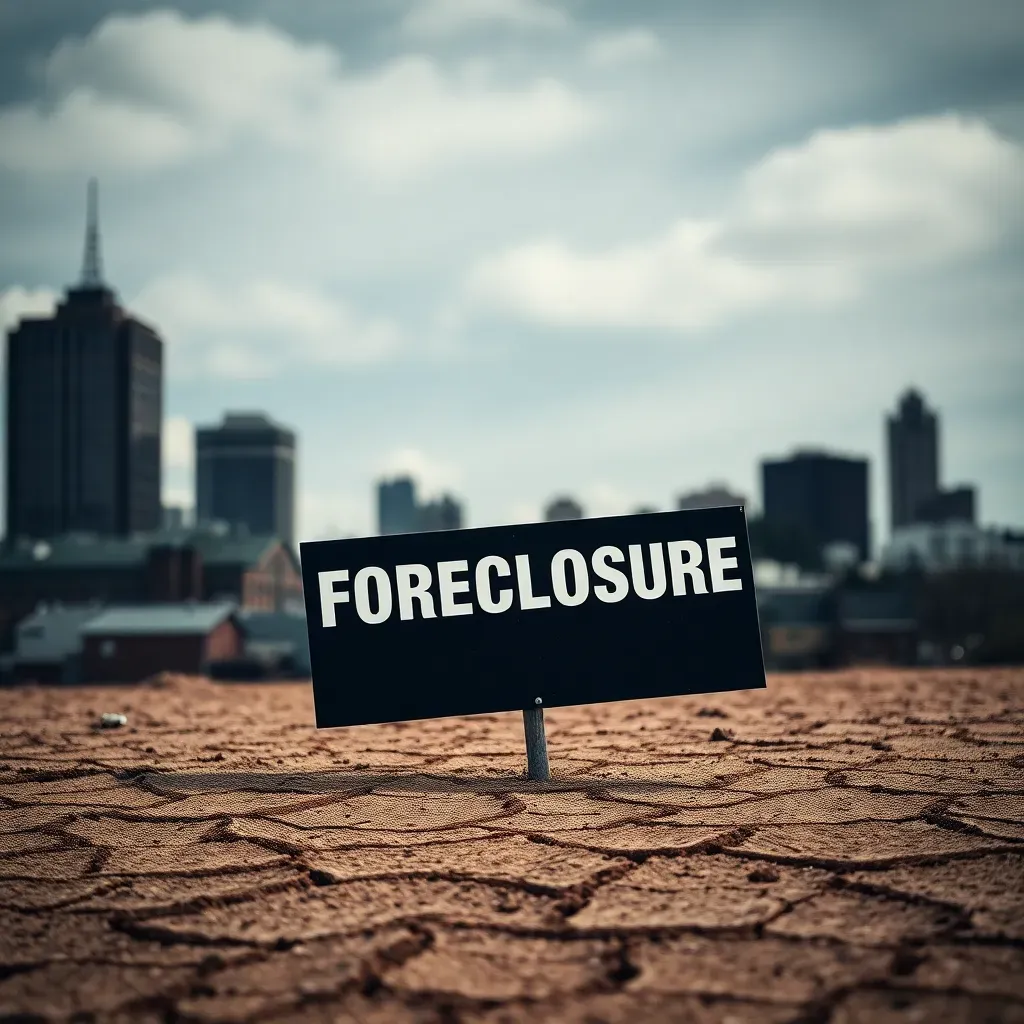
You see the headlines: new developments, grand plans to solve the affordable housing crisis. The latest is a project in North Downtown Tampa, aiming to bring more accessible housing to the area. On the surface, it sounds like progress, and it is – for those who build from the ground up.
But for operators like us, those headlines are often a distraction. They focus on *creating* new supply, which is a long, capital-intensive game. Our focus, the real leverage, is in *optimizing* existing supply, particularly the properties that are already in distress. While city planners and developers are busy with blueprints and groundbreaking ceremonies, we're looking at the homes that are already built, already part of the community, and simply need a resolution.
This isn't about competing with large-scale developers. It's about understanding a fundamental truth: the greatest source of 'affordable housing' isn't always newly constructed units; it's often the existing housing stock that has fallen into disrepair, faces foreclosure, or is owned by a homeowner in a difficult situation. When a property is distressed, its value often drops, making it inherently more 'affordable' to acquire. The challenge, and the opportunity, is in bringing that property back to a functional, marketable state, often at a price point that serves the very need these new developments are trying to address.
Consider the economics. A new development carries all the costs of land acquisition, new construction materials, labor, permits, and developer profit margins – all of which contribute to a higher final price tag. "Building new is essential for growth, but it's rarely the most efficient path to affordability for the immediate market," notes Sarah Jenkins, a seasoned real estate analyst focusing on urban development. "The existing housing stock, particularly those properties that are underperforming, represents a far more direct route to increasing available, affordable units once they're revitalized."
Our work, as distressed property operators, is to identify these properties *before* they become public auction fodder. We engage with homeowners in pre-foreclosure, offering solutions that benefit everyone involved. This often means buying a property at a discount, rehabilitating it efficiently, and then either selling it to a new owner at a competitive price or holding it as a rental. This process directly adds to the pool of available, often more affordable, housing without the years of planning and construction associated with new builds.
This isn't just about charity; it's sound business. By focusing on properties that are undervalued due to distress, we access deals that traditional buyers overlook. The Charlie 6, for instance, is designed to quickly diagnose the viability of these pre-foreclosure opportunities, allowing you to assess the potential for a profitable resolution long before a developer breaks ground on a new project. You're not just buying a house; you're buying a problem that you know how to solve, and in doing so, you're contributing to the very affordable housing solutions that cities like Tampa are striving for.
"The real impact on housing accessibility often comes from the quiet work of investors who understand how to unlock value in properties others deem problematic," says Michael Vance, a long-time investor and market strategist. "They're not just flipping houses; they're revitalizing neighborhoods one property at a time, often at price points that are more accessible than brand-new construction."
The key is to operate with precision and empathy. We help homeowners navigate difficult situations, providing a clear path forward. This approach allows us to acquire properties at a discount, which translates into the ability to offer them at a more affordable price point after renovation, or to hold them as rentals that meet a real market need. It's about being part of the solution, not just chasing the next big development.
Don't be swayed by the shiny new projects. The real, tangible opportunities for impact and profit often lie in the existing, overlooked assets. Learn how to identify and resolve these opportunities.
Start with the foundations at [The Wilder Blueprint](https://wilderblueprint.com/foundations-registration/) — the entry point for serious distressed property operators.