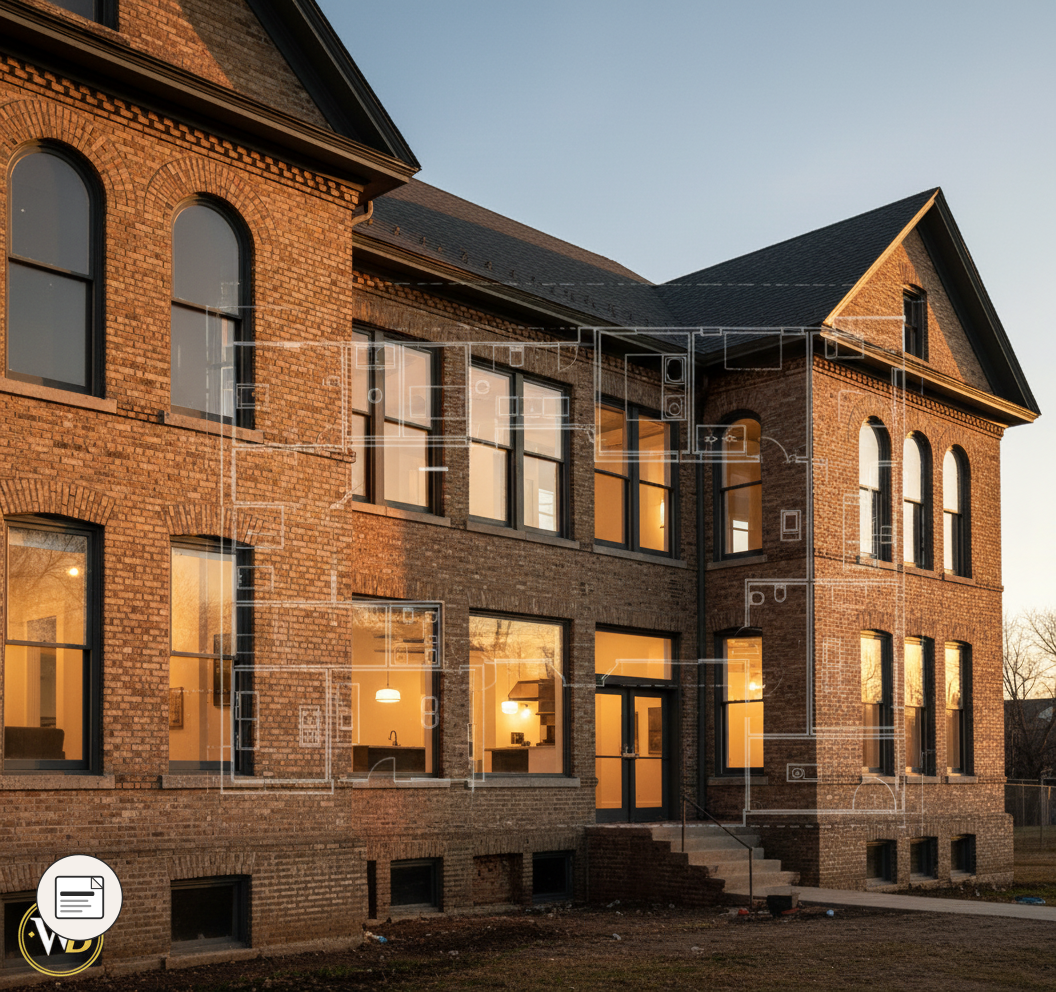
The landscape of real estate investing is constantly evolving, and true opportunity often lies where others see only obstacles. A recent initiative in Maine, exploring the conversion of vacant school buildings into housing, underscores a niche strategy with significant upside for investors who understand adaptive reuse: turning underutilized or obsolete structures into profitable residential assets.
For investors with a proven track record, the concept of repurposing old schools isn't new, but it's gaining traction as housing shortages persist and municipalities seek creative solutions. These properties often boast solid construction, large footprints, and desirable locations within established neighborhoods – factors that can translate into excellent ARV (After Repair Value) and strong rental income streams.
**The Allure of the Old Schoolhouse**
Empty schools present a unique investment profile. Unlike ground-up construction, you're starting with existing infrastructure, which can sometimes accelerate timelines and reduce certain costs. The scale of these buildings often allows for multi-unit conversions, from apartments to townhouses, maximizing density and potential revenue. "We've seen successful conversions of old textile mills and hospitals for years," notes Sarah Jenkins, a principal at Meridian Capital Partners, a firm specializing in urban redevelopment. "Schools offer similar bones – high ceilings, large windows, robust construction – perfect for creating unique, character-filled living spaces that command premium rents."
However, the 'tricky' aspect mentioned in the Maine discussion is paramount. These aren't simple flips. Investors must be prepared for comprehensive due diligence and a nuanced approach to financing and zoning.
**Navigating the Conversion Complexities**
1. **Zoning and Permitting:** This is often the first and most significant hurdle. A former school is typically zoned for institutional use. Reclassification to residential (R-1, R-2, or multi-family) can be a lengthy and politically charged process. Investors must engage with local planning boards early, presenting a clear vision that aligns with community needs.
2. **Environmental and Structural Audits:** Older buildings, especially those built before the 1980s, often contain hazardous materials like asbestos and lead paint. A thorough Phase I and Phase II environmental site assessment is non-negotiable. Structural integrity, roof condition, and foundation stability must also be meticulously evaluated. Neglecting these can lead to catastrophic budget overruns.
3. **Code Compliance and Accessibility:** Converting a school to residential means bringing it up to current residential building codes, including fire suppression, egress, and ADA compliance. This can be costly, requiring new plumbing, electrical systems, and potentially elevator installations for multi-story buildings.
4. **Financing:** Traditional lenders may be wary of complex adaptive reuse projects. Savvy investors often leverage bridge loans, private equity, or specialized commercial real estate lenders familiar with these types of conversions. Government incentives, such as historic preservation tax credits or community development block grants, can also significantly improve project feasibility, as Maine is exploring.
**The Wilder Blueprint Perspective**
From our perspective at The Wilder Blueprint, these projects are not for the faint of heart or the inexperienced. They require deep pockets, a strong project management team, and an intimate understanding of local regulations and market demand. "The average investor jumping into a school conversion without significant capital reserves and a battle-tested team is asking for trouble," advises Mark Wilder, founder of The Wilder Blueprint. "But for those with the expertise to execute, the returns can be exceptional, often yielding IRRs (Internal Rates of Return) north of 20% on well-managed projects, especially in supply-constrained markets."
Adaptive reuse of schools presents a compelling opportunity to address housing shortages while preserving community landmarks. It's a strategy that demands meticulous planning, robust capital, and a keen eye for transforming challenges into significant investment wins.
---
*Ready to deepen your understanding of complex real estate investment strategies? The Wilder Blueprint offers advanced training and resources for investors looking to tackle high-yield, high-impact projects like adaptive reuse. Explore our programs today.*