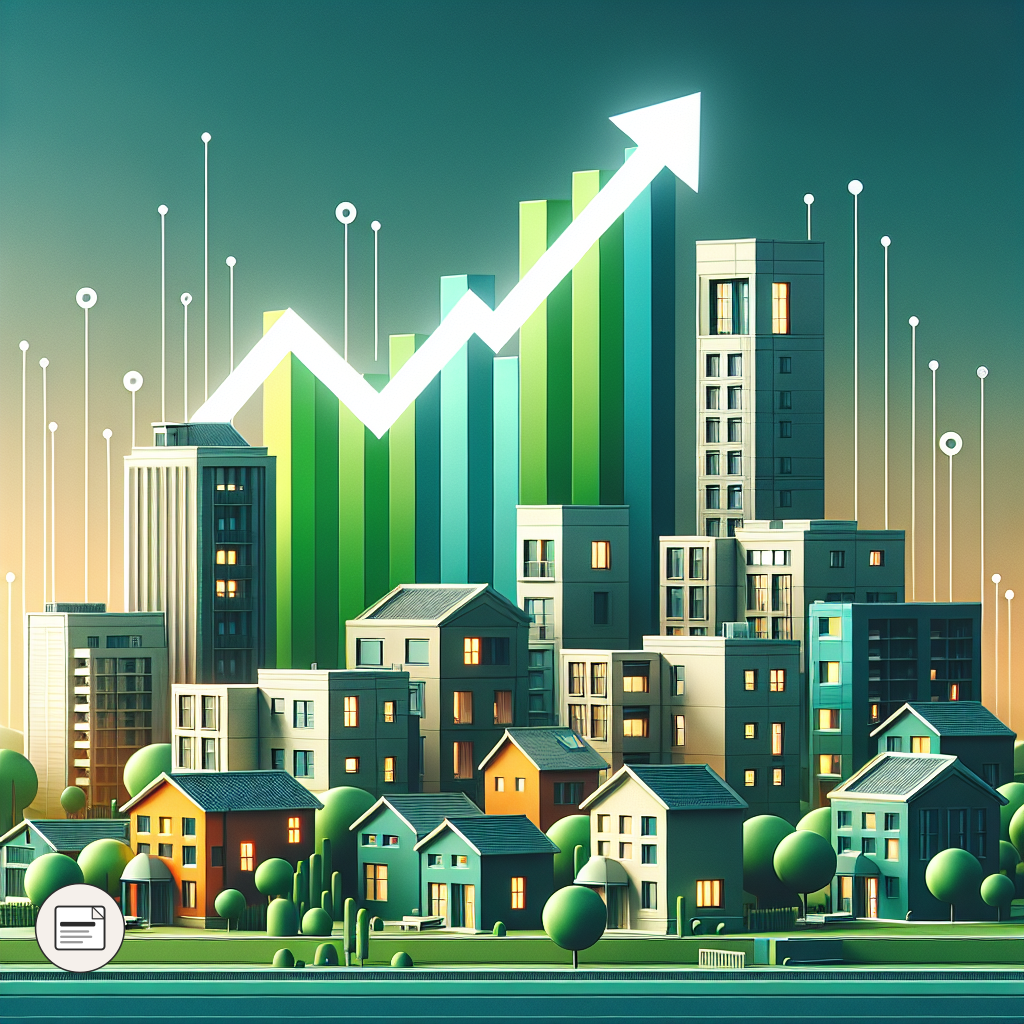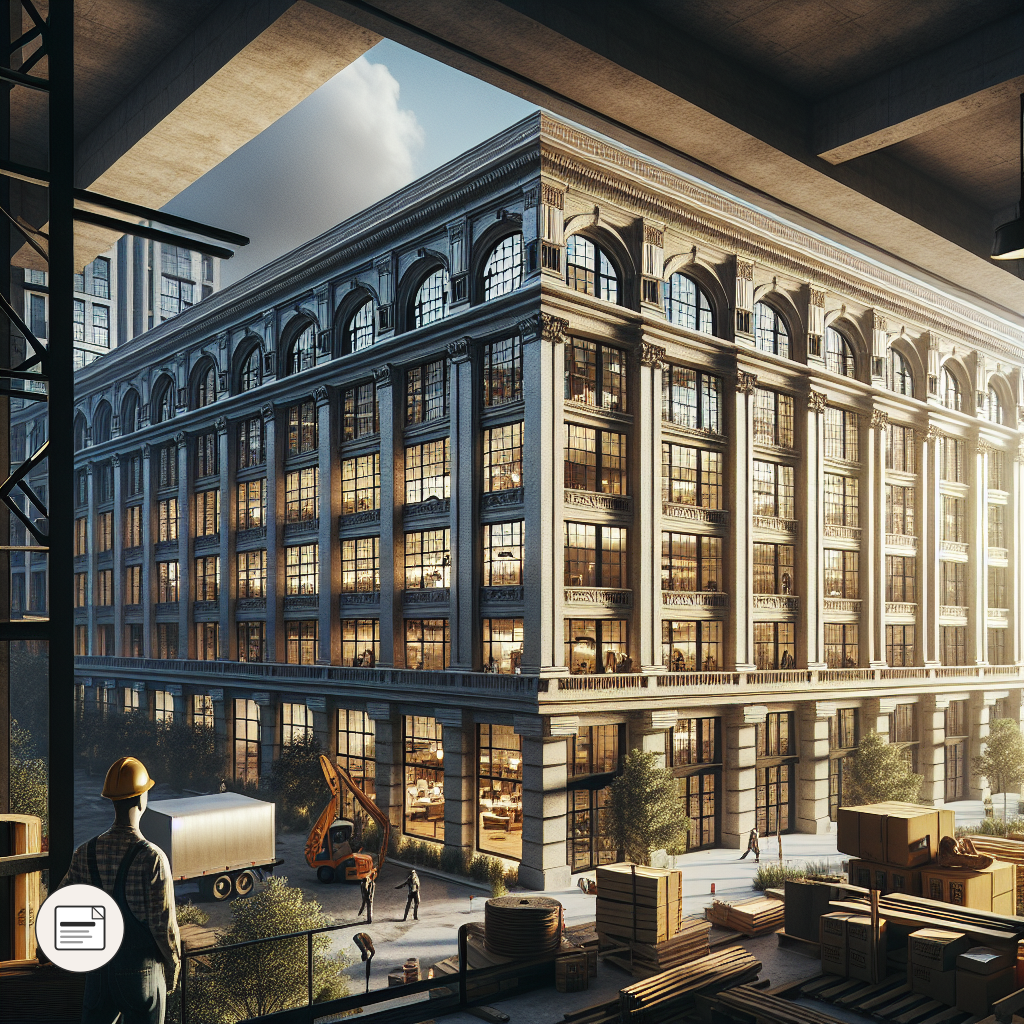
The real estate landscape is in constant flux, and smart investors don't just react to trends – they anticipate and capitalize on them. A prime example is the growing movement towards adaptive reuse, particularly the conversion of commercial properties into residential units. The recent news from Concord, where historic buildings are being reimagined as apartments, underscores a powerful investment strategy that is gaining traction across the nation.
For seasoned investors, this isn't just about preserving history; it's about unlocking significant intrinsic value in assets that might otherwise be underperforming. The shift from traditional office and retail spaces to residential, especially multifamily, is driven by evolving market demands and presents a unique opportunity to generate substantial returns.
**The Economic Imperative for Conversion**
The pandemic accelerated a trend already in motion: a surplus of commercial space juxtaposed with a persistent housing shortage. Office vacancies in major metros are hovering around 18-20%, while residential demand, particularly for rental units, remains robust. This imbalance creates an economic imperative for adaptive reuse. Converting a 50,000 sq ft, Class B office building, for instance, into 50-60 residential units can transform a depreciating asset with 60% occupancy into a high-cash-flow property with 95%+ occupancy.
"We're seeing a fundamental repricing of commercial assets," notes Isabella 'Izzy' Moreno, a veteran investor with a portfolio spanning 300+ units. "The highest and best use for many of these buildings isn't what it was 20 years ago. Investors who can navigate the zoning, construction, and financing complexities of a commercial-to-residential conversion are poised for outsized returns, often achieving ARVs 30-40% higher than if the property remained commercial."
**Navigating the Conversion Landscape: Key Considerations**
While the upside is clear, adaptive reuse is not without its challenges. Investors must meticulously evaluate several factors:
* **Zoning and Permitting:** This is often the biggest hurdle. Understanding local ordinances, securing variances, and navigating historical preservation boards can add significant time and cost. A project might require a rezoning from commercial (C-1) to multi-family residential (R-3) or a mixed-use overlay. * **Structural Integrity and Layout:** Not all buildings are suitable. The existing floor plates, window lines, and structural systems must lend themselves to residential layouts without prohibitive renovation costs. Plumbing and electrical infrastructure often require complete overhauls. * **Financial Modeling:** Accurate pro forma analysis is critical. Conversion costs can range from $150-$300 per square foot, depending on the building's condition and desired finish level. Factoring in extended timelines for permitting and construction, often 18-36 months, is crucial for cash flow projections and debt service. * **Market Demand:** While general residential demand is high, understanding the specific submarket's need for studio, 1-bedroom, or 2-bedroom units, and the achievable rent per square foot, is paramount. Is there demand for luxury, affordable, or workforce housing?
**The Wilder Blueprint Perspective**
For investors looking to capitalize on this trend, due diligence extends beyond the typical residential flip or rental analysis. "Adaptive reuse projects demand a higher level of sophistication in deal analysis," advises Marcus Thorne, Lead Analyst at The Wilder Blueprint. "You're not just buying a building; you're buying a vision and the right to execute it. Understanding the cost basis per rentable square foot post-conversion, and the potential for tax credits – especially for historic properties – can make or break a deal."
Adaptive reuse offers a powerful strategy for transforming underperforming assets into high-yield residential properties. It requires a blend of vision, meticulous planning, and a deep understanding of construction, finance, and local regulations. For those willing to do the work, the rewards can be substantial, creating not only profitable investments but also revitalized communities.
Ready to dive deeper into complex deal structures and unlock hidden value in today's evolving market? The Wilder Blueprint offers advanced training and resources specifically designed for investors looking to master strategies like adaptive reuse and maximize their portfolio's potential.